
Tabernaemontana alternifolia
Tabernaemontana alternifolia
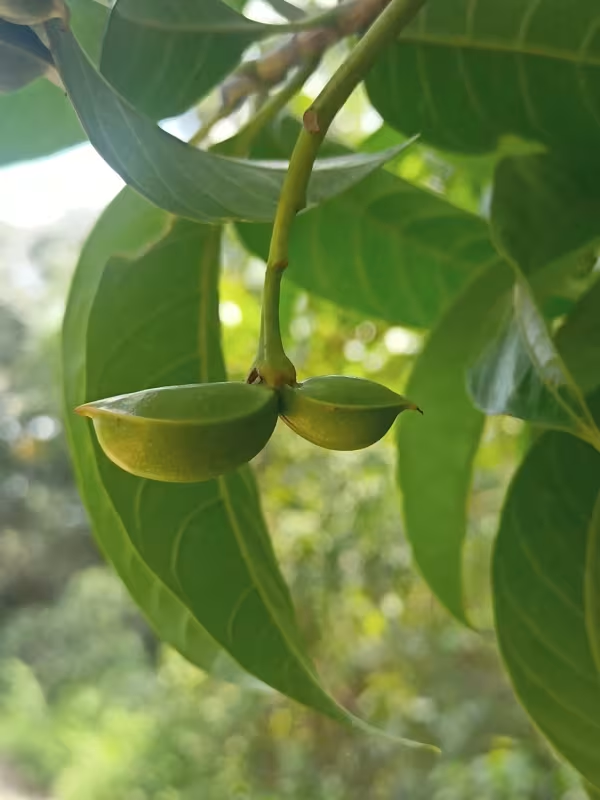
Description
Growing requirements
Tabernaemontana alternifolia is an evergreen shrub or small tree belonging to the Apocynaceae family. It is known for its elegant habit and aromatic white flowers, which make it a highly valued ornamental plant in tropical and subtropical landscaping.
Native to the tropical regions of South Asia, particularly India and Sri Lanka, this species thrives in forest environments characterized by high humidity and warm temperatures throughout the year. It has adapted to the specific light conditions of the understory.
Successful cultivation requires well-draining, nutrient-rich soil with a slightly acidic to neutral pH. Providing consistent moisture is essential, though the plant is sensitive to waterlogged conditions, which can lead to root degradation.
Botanically, the plant is distinguished by its alternate leaf arrangement and glossy, leathery foliage. The flowers typically emerge in clusters, releasing a sweet fragrance during the evening hours, which serves to attract nocturnal pollinators in its natural habitat.
The plant is mainly utilized for horticultural purposes, including the design of parks and gardens. Due to its chemical profile, it also holds interest in ethnobotanical studies, though handling should be careful due to the toxic nature of its milky sap.
Main diseases and pests
The primary pests affecting Tabernaemontana alternifolia include aphids, spider mites, and scale insects. These pests often congregate on the underside of leaves or at the nodes, potentially causing stunted growth and leaf chlorosis if left untreated.
Root rot and leaf spot are the most frequent pathological threats, usually triggered by poor drainage or high ambient humidity without adequate airflow. Preventive measures include ensuring good spacing between plants and monitoring the moisture levels of the growing medium regularly.