
Strophanthus divaricatus
Strophanthus divaricatus
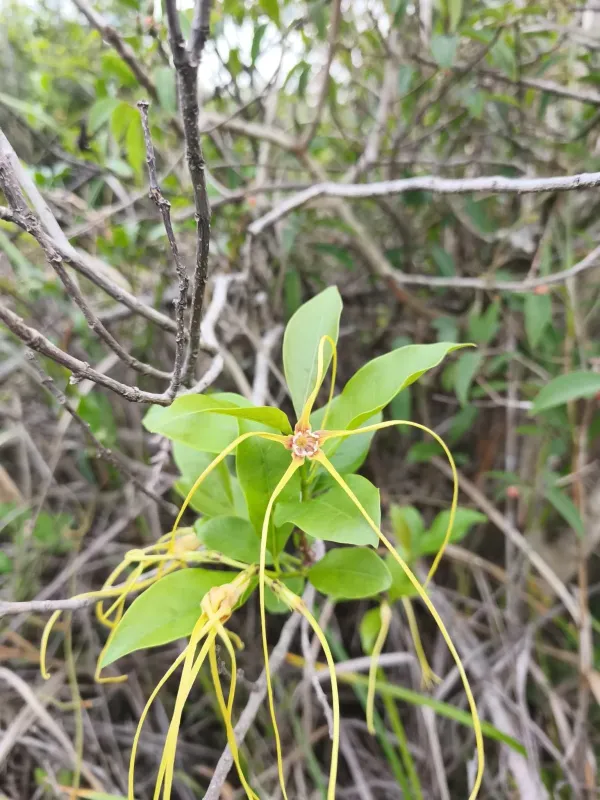
Description
Growing requirements
Strophanthus divaricatus is a significant species belonging to the Apocynaceae family. This evergreen shrub or woody climber is native to the tropical regions of Southeast Asia, thriving in the warm, humid environments of Southern China and Vietnam.
The plant demands a strictly tropical climate to flourish, requiring consistently warm temperatures throughout the year. It lacks cold hardiness, making it unsuitable for cultivation in temperate zones unless provided with specialized greenhouse conditions that prevent exposure to chilling temperatures.
Soil requirements for this crop focus on fertility and drainage. It prefers well-aerated, slightly acidic to neutral soils that prevent waterlogging. Excessive soil moisture is the primary cause of root failure in these plants, necessitating careful site selection or the use of raised beds.
Regarding light exposure, the plant benefits from bright, filtered sunlight. While it is adaptable to various light conditions, direct afternoon sun can scorch the foliage of younger plants. Consistent moisture levels in the air are also essential for healthy vegetative development.
The primary economic and agricultural value of Strophanthus divaricatus lies in its pharmaceutical utility. The plant produces specific cardiac glycosides, which are harvested and processed into life-saving drugs for patients suffering from cardiac conditions.
Main diseases and pests
Root rot represents the most significant pathological threat to Strophanthus divaricatus, usually triggered by poor drainage or over-irrigation. Once established, fungal pathogens can rapidly compromise the integrity of the root system.
Pest management focuses on controlling common tropical pests such as spider mites, mealybugs, and scale insects. These organisms extract sap from leaves and stems, weakening the plant and potentially leading to stunted growth or total yield loss.
Integrated pest management (IPM) strategies are recommended to maintain high-quality pharmaceutical output. This includes regular scouting for pest populations and the strategic use of biological control agents to minimize chemical residues on the harvested material.
Foliar diseases, appearing as spots or blights, can occur during periods of high humidity and poor ventilation. Pruning and spacing are essential cultural practices to improve airflow and reduce the humidity levels that favor disease progression.
Proper weed management is crucial not only for reducing nutrient competition but also for removing alternative hosts for insects and diseases that plague the crop. Maintaining a clean cultivation site significantly improves the overall vigor and productivity of the medicinal plants.