
Strophanthus sarmentosus
Strophanthus sarmentosus
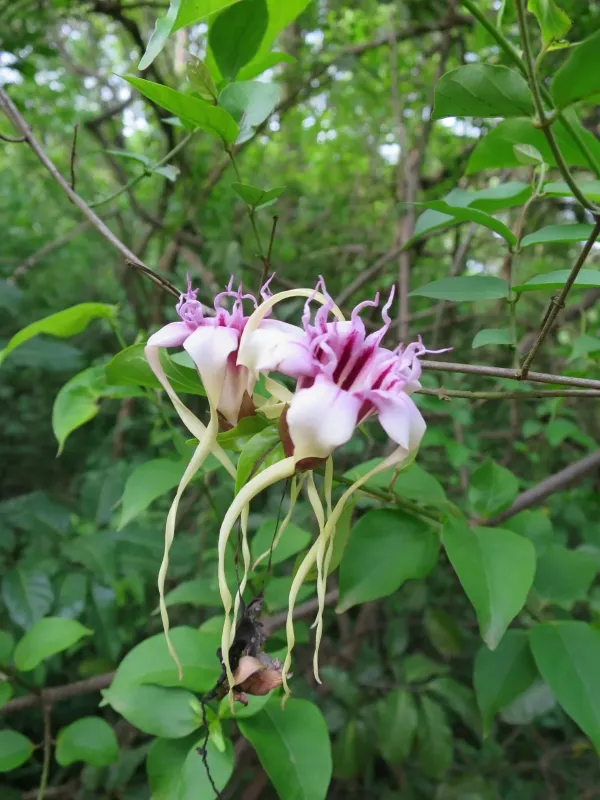
Description
Growing requirements
Strophanthus sarmentosus is a woody liana belonging to the Apocynaceae family, primarily recognized for its high content of cardiac glycosides. This plant is a significant agricultural subject in regions where medicinal raw materials are extracted for pharmaceutical needs.
The species originates from tropical Africa, where it thrives in humid environments. It is a climbing plant that naturally ascends trees, necessitating structural supports when cultivated in an agricultural setting to optimize growth and development.
Climatic requirements are strict: the plant requires a frost-free, tropical climate with consistent temperatures ranging between 20°C and 30°C. It is intolerant of cold snaps, which can severely damage the vascular system of the liana.
For optimal growth, the soil must be deep, fertile, and well-drained. It favors rich organic substrates that maintain moisture without becoming waterlogged, as poor drainage is a primary cause of physiological stress in these plants.
Agronomic practices focus on providing trellis systems to support the climbing stems. Irrigation management is crucial, as the plant demands steady water supply throughout the growing season to ensure vigorous biomass production and seed set.
Main diseases and pests
Root rot, often caused by soil-borne pathogens in waterlogged conditions, represents the most significant threat to plant health. Ensuring proper drainage is the most effective preventative measure against these infections.
Insect pests, including aphids and spider mites, frequently target young shoots and leaves. Integrated pest management strategies, utilizing both natural predators and eco-friendly pesticides, are recommended to protect the crop.
Seed-boring insects may compromise the quality of the harvest. Regular monitoring of the seed pods is essential during the maturation phase to prevent major yield losses in the medicinal extracts.
Viral infections can be transmitted by insect vectors. Maintaining clean field margins and eliminating host weeds is critical to preventing the spread of diseases within the plantation area.
General crop protection involves periodic monitoring and localized treatments rather than blanket spraying, which helps in maintaining the purity of the medicinal product and reducing environmental impact.