
Strophanthus speciosus
Strophanthus speciosus
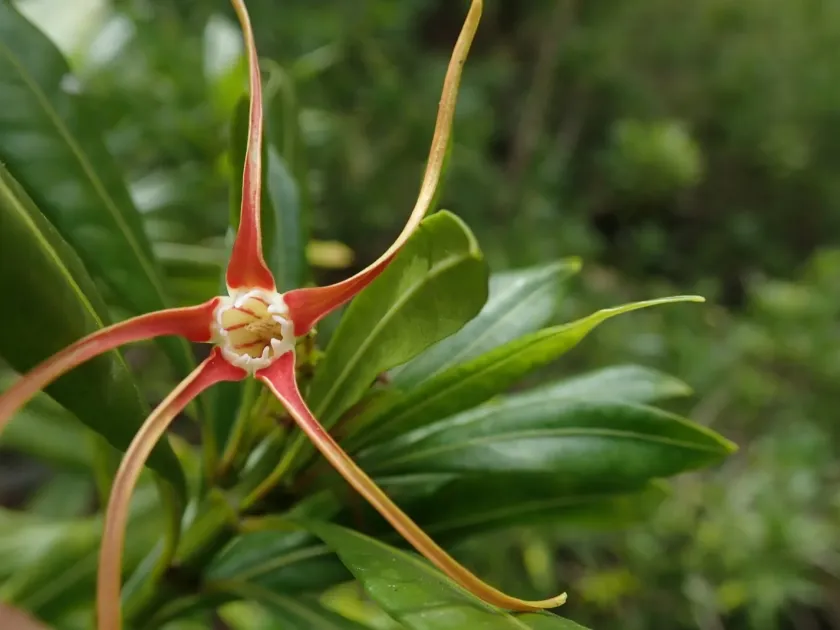
Description
Growing requirements
Strophanthus speciosus, a member of the Apocynaceae family, is an evergreen climbing shrub or liana native to the tropical regions of Southern Africa. It is highly valued for the chemical compounds found in its seeds.
The plant thrives in tropical climates characterized by high temperatures and humidity. It is strictly sensitive to frost, which means that in non-tropical regions, it must be grown in specialized greenhouses or controlled environments with temperatures ranging from 22 to 28 degrees Celsius.
Regarding soil requirements, it prefers fertile, well-draining loam with a slightly acidic to neutral pH level. Proper drainage is essential, as waterlogging is a primary cause of root rot in this species, often leading to rapid plant decline.
High light intensity is necessary for optimal development and the accumulation of active cardiac glycosides. However, protection from direct noon sun is advised for younger specimens during their establishment phase in a controlled setting.
Agricultural management involves regular fertilization with balanced NPK ratios, emphasizing phosphorus and potassium for improved seed production. Propagation is mainly achieved through seeds or stem cuttings under high humidity conditions.
Yield
The economic value of Strophanthus speciosus is centered on the production of specialized cardiac glycosides. The yield is determined by the age of the shrubs, the health of the root system, and the overall management of the plantation.
Harvesting is performed once the follicles (seed pods) reach physiological maturity and start to turn brown. Great care must be taken to collect them before they dehisce, as the seeds are equipped with hair-like appendages that allow them to be dispersed by wind.
Post-harvest processing involves drying the seeds in controlled conditions to preserve the integrity of the bioactive compounds. The standardization of the dry matter is a critical requirement for meeting pharmaceutical industry specifications.
Effective plantation management ensures a multi-year harvest cycle, increasing the profitability of the crop. Advanced cultivation techniques, such as vertical trellis support, help in optimizing light exposure and simplifying the harvesting process.
Global demand for plant-based cardiac medicine provides a stable market for high-quality seeds. Compliance with pharmaceutical standards during the cultivation cycle is essential for maximizing the value of the raw output.
Main diseases and pests
Common pests affecting this species include spider mites and mealybugs, which are particularly prevalent in greenhouse environments. These pests can cause significant damage to foliage, thereby reducing the plant's overall energy production.
Fungal diseases, specifically root and crown rots, pose a significant threat when soil moisture is poorly managed. Prevention relies on maintaining excellent soil structure and ensuring proper airflow between plants.
Integrated Pest Management (IPM) is the recommended approach for this culture, prioritizing biological controls over broad-spectrum pesticides. This helps in maintaining the quality of the raw material required for pharmaceutical use.
Regular monitoring of the plantation is vital for the early detection of stress symptoms. Removing affected plant parts promptly prevents the escalation of fungal or insect-related outbreaks.
The sanitization of tools and equipment is an underrated but crucial aspect of preventing the spread of pathogens across the growing area. Consistent adherence to hygiene protocols significantly improves the longevity of the crop.