
Strophanthus gerrardii
Strophanthus gerrardii
Description
Growing requirements
Strophanthus gerrardii is a woody vine belonging to the Apocynaceae family. Native to the tropical regions of South Africa, it is primarily found in forests and coastal thickets, where it uses other vegetation as structural support.
This crop is highly sensitive to cold and requires a consistent, warm climate to thrive. Successful cultivation requires a stable greenhouse environment where temperatures remain high throughout the year, as frost or cold drafts can cause severe damage or death.
The plant demands well-drained, nutrient-rich soil to prevent root issues. In controlled environments, a mixture of organic matter and inorganic components like perlite or coarse sand is recommended to ensure optimal aeration and water drainage.
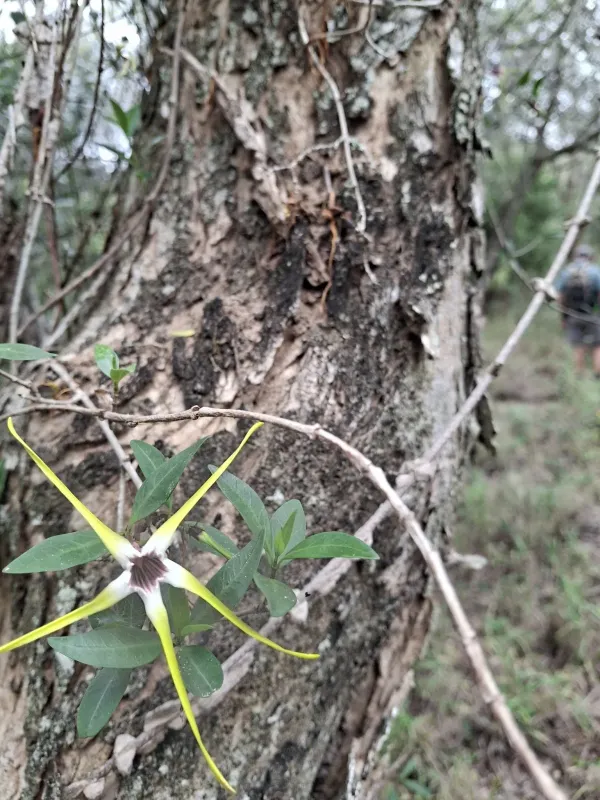
Botanically, the plant is known for its spectacular, complex flowers with long, trailing petal segments. These features, along with its leathery, dark green foliage, make it a distinct specimen within the Apocynaceae family.
The primary economic and agricultural value of Strophanthus gerrardii lies in its pharmaceutical potential. The plant is a source of specialized cardiac glycosides that are synthesized into medications for cardiovascular treatments.
Main diseases and pests
Common health issues for Strophanthus gerrardii involve fungal infections. These typically occur when the growing medium remains overly moist, leading to root rot and other systemic issues that weaken the plant's structural integrity.
Pest threats include mites and scale insects, which frequently attack the foliage in enclosed greenhouse spaces. These pests can rapidly decrease plant vigor if not managed through systematic monitoring and timely intervention.
Management strategies involve rigorous environmental control. By maintaining proper ventilation and avoiding water-logging, growers can significantly reduce the risk of pathogen outbreaks without excessive chemical intervention.
During the dormant or slower growth periods, it is essential to adjust the irrigation frequency to match the plant's metabolic needs, thereby preventing the buildup of harmful bacteria and fungal colonies in the rhizosphere.
Safety is a critical aspect of handling this crop. Due to the high concentrations of potent toxins in the plant tissue, it is essential to wear gloves and respiratory protection during pruning, harvesting, or any physical manipulation.