
Strophanthus preussii
Strophanthus preussii
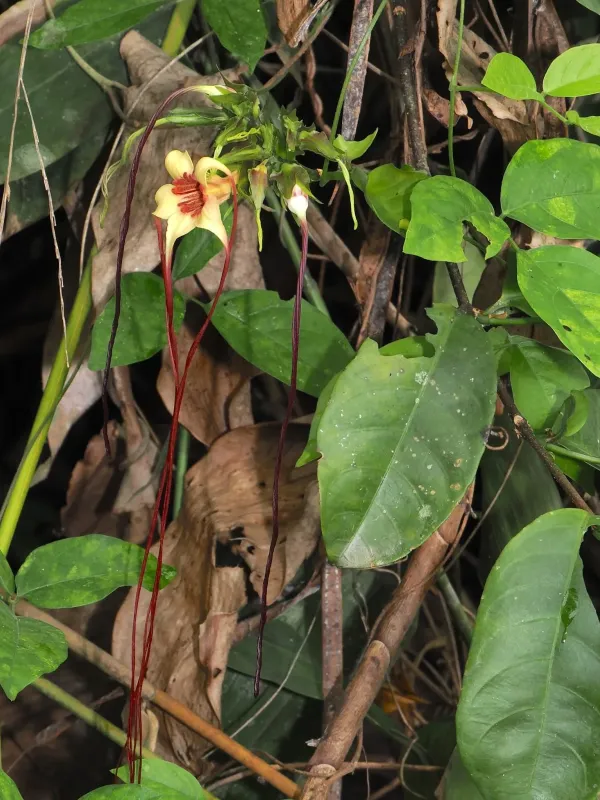
Description
Growing requirements
Strophanthus preussii is a perennial woody climber belonging to the Apocynaceae family. Native to the tropical regions of Africa, this plant is well-adapted to high-humidity environments and thrives in dense forest clearings or riverbank areas where it receives ample moisture.
Cultivation requires well-drained, nutrient-rich, loamy soils. The plant is sensitive to soil compaction, so the substrate must be kept aerated to ensure healthy root development. A neutral to slightly acidic pH range is considered ideal for nutrient absorption.
Climate requirements involve consistent warmth throughout the growing season. Strophanthus preussii does not possess cold hardiness and must be protected from temperatures below 18 degrees Celsius, making greenhouse cultivation essential in non-tropical zones.
Agronomic management relies on providing strong support structures, such as trellises or poles, as the vine naturally seeks to climb. Pruning is necessary to manage the density of the foliage and ensure that light reaches the lower parts of the plant.
The plant is highly valued for its seeds, which serve as a source of cardiac glycosides. These active compounds are fundamental for producing high-quality medicine, driving the commercial interest in the cultivation and selective breeding of this species.
Main diseases and pests
Spider mites represent a significant threat to Strophanthus preussii, especially in dry, indoor conditions. They cause chlorophyll depletion in leaves, which significantly weakens the vine and reduces its potential for reproductive growth.
Fungal diseases, specifically root rot, occur when moisture levels are mismanaged. Providing excellent drainage and avoiding water stagnation is the most effective preventative measure against these soil-borne pathogens.
Scale insects are common pests that infest the woody stems of the vine. Their activity can stunt growth and create entry points for secondary bacterial infections, necessitating regular inspection of the main stems.
Aphids often target the tender new growth and developing flower buds. A managed integrated pest control strategy is required to minimize damage to the reproductive structures, which are vital for the harvest of seeds.
Leaf spot diseases, caused by various fungal pathogens, can lead to premature leaf drop. Maintaining a healthy balance of humidity and ensuring adequate airflow within the plant canopy are critical practices to mitigate these risks.