
Tabernaemontana africana
Tabernaemontana africana
Description
Growing requirements
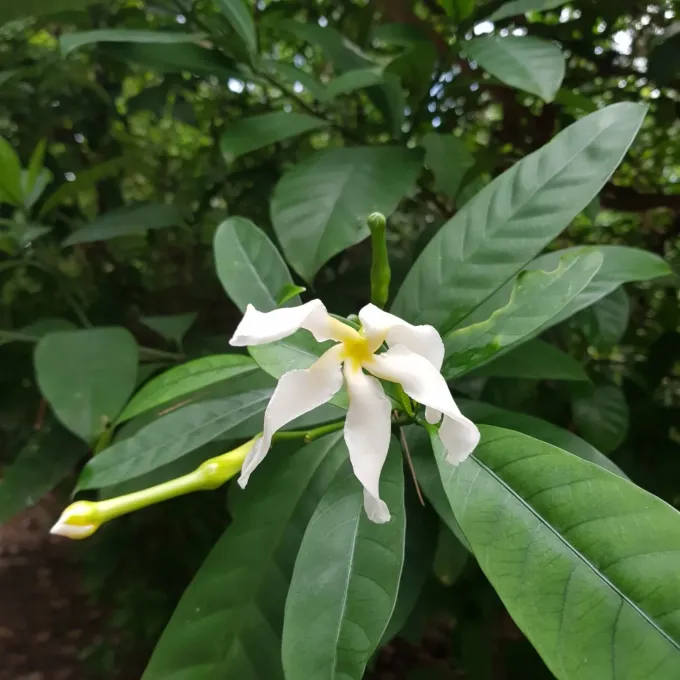
Tabernaemontana africana is an evergreen shrub belonging to the Apocynaceae family, native to the tropical regions of Africa. It is characterized by its glossy foliage and distinct botanical features typical of the tropical forest understory.
The plant requires a strictly tropical climate with consistent temperatures ranging from 20°C to 28°C. It is highly intolerant of frost, which makes it suitable primarily for greenhouse cultivation or tropical landscapes.
The soil for this crop must be nutrient-rich and possess excellent drainage properties. A slightly acidic to neutral substrate composition is ideal for maintaining healthy root development and avoiding waterlogging.
Light management is crucial, as the plant prefers bright, filtered sunlight. Exposure to harsh, direct sunlight often causes chlorosis and burning, while deep shade inhibits its flowering potential.
Economically, this species is cultivated mainly for its ornamental value in landscaping and its potential medicinal applications, as it is known to produce various bioactive secondary metabolites.
Main diseases and pests
Common pests affecting this crop include spider mites, mealybugs, and scale insects, which can cause significant damage by feeding on the sap of the foliage and stems.
Fungal diseases are a persistent risk, particularly when humidity is excessively high and there is poor ventilation within the plant canopy, leading to leaf spots or mold growth.
Root rot, often caused by overwatering, remains the primary threat to plant longevity, as it creates an anaerobic environment that favors pathogenic soil-borne fungi.
Effective pest control involves regular monitoring, the use of biological control agents, or the application of specialized horticultural oils and insecticides when necessary.
Cultural practices, such as providing adequate spacing between plants and ensuring proper soil aeration, are fundamental to preventing the spread of diseases and pests.