
Strophanthus
Strophanthus
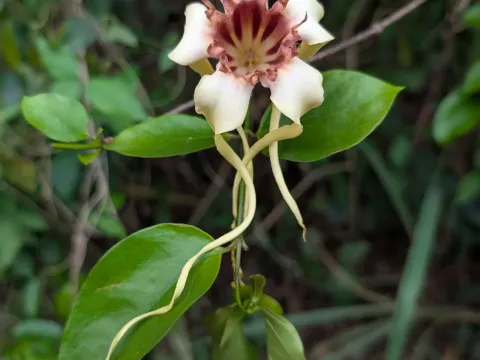
Strophanthus is a genus of flowering plants belonging to the family Apocynaceae. Native to tropical regions of Africa and Asia, this genus consists of woody lianas, shrubs, and small trees known for their unique, elongated, rope-like flower petals that define their botanical identity.
What the section contains


Strophanthus
The plant requires a strictly tropical environment to thrive, characterized by consistent high humidity and warm temperatures. It is highly sensitive to cold, and any exposure to frost can lead to immediate tissue damage or the death of the plant, making it unsuitable for non-tropical climates.
Cultivation necessitates deep, fertile, and well-drained soils. A crucial factor in the selection of a planting site is ensuring excellent drainage, as the roots are prone to rot if kept in waterlogged soil for prolonged periods. The pH level of the soil should be maintained within a neutral range.
Agrotechnical practices involve regular weed control and the application of fertilizers rich in nitrogen and potassium to support vigorous growth. While mature plants are often sun-loving, young seedlings benefit significantly from shaded conditions during the establishment phase.
Safety is a critical aspect of handling Strophanthus, as the plant produces potent cardiac glycosides. Strict protocols for manual handling must be followed to avoid any contact with the sap or tissues, which are toxic to humans and animals upon ingestion or absorption.
The economic value of Strophanthus lies primarily in its seeds, which serve as the source for critical pharmaceutical compounds. Harvest timing is determined by the maturation of the follicles; these are collected once they begin to dry, ensuring the seeds are fully developed and chemically concentrated.
Common pests include mites and scale insects which tend to colonize the stems and underside of leaves. Furthermore, excessive moisture coupled with poor air circulation can encourage fungal infections, including leaf spot diseases and root rot, which can significantly decrease overall production yields.