
Strophanthus hispidus
Strophanthus hispidus DC.
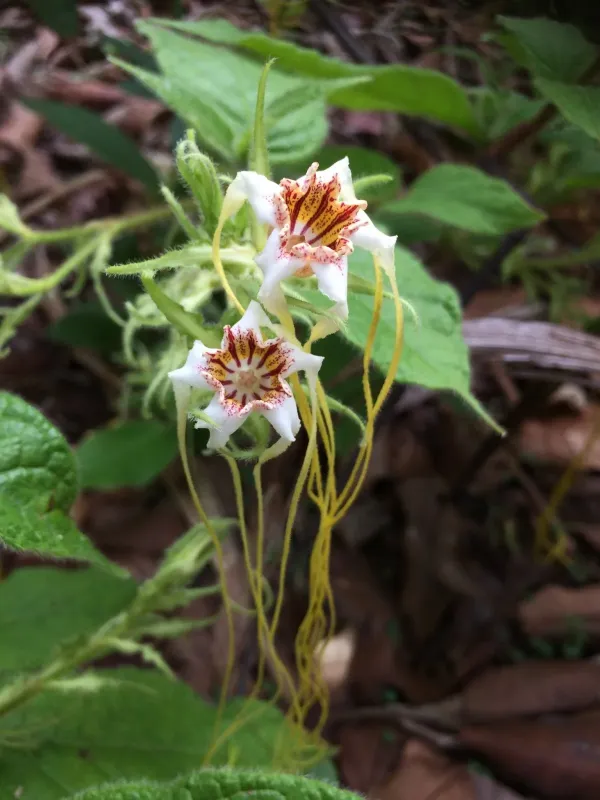
Description
Growing requirements
Strophanthus hispidus is a woody climber belonging to the Apocynaceae family. Native to tropical Africa, this plant is well-known for its botanical significance and chemical composition, particularly its seeds.
The cultivation of this species requires a strictly tropical climate. It thrives in regions where temperatures remain consistently between 25 and 30 degrees Celsius, as the plant is extremely frost-intolerant and dies quickly in cold conditions.
Regarding soil requirements, the plant prefers deep, fertile, and well-drained loamy soils. Stagnant water is detrimental to the root system, so selecting a site with excellent drainage is a mandatory prerequisite for successful commercial farming.
The plant requires moderate sunlight but performs best when provided with partial shade in the hottest part of the day. As a climber, it requires physical support structures, such as trellises or poles, to manage its growth habit effectively.
The primary economic use of Strophanthus hispidus is the extraction of strophanthin from its mature seeds. This compound is a vital pharmaceutical ingredient used for treating cardiac arrhythmias and heart failure.
Main diseases and pests
Fungal pathogens are the primary threat to this crop, particularly in high-humidity environments. Root rot can occur if soil drainage is compromised, leading to rapid plant decline and death.
Sucking insects, such as aphids and scale insects, frequently infest the stems and leaves. If left unchecked, these pests can severely weaken the plant and reduce the overall yield of high-quality seeds.
Leaf spot diseases are common, often appearing as necrotic lesions on foliage after periods of heavy rainfall. Management practices should include maintaining airflow and applying preventative fungicides where necessary.
Soil-borne pests like nematodes require careful soil management before planting. Using sterile substrate or solarization techniques helps protect the young root systems from premature damage.
Maintaining a clean and hygienic growing environment is essential for preventing the spread of viral and bacterial infections between plants. Regular inspection and prompt removal of infected materials are standard procedures.