
Strophanthus kombe
Strophanthus kombe Oliv.
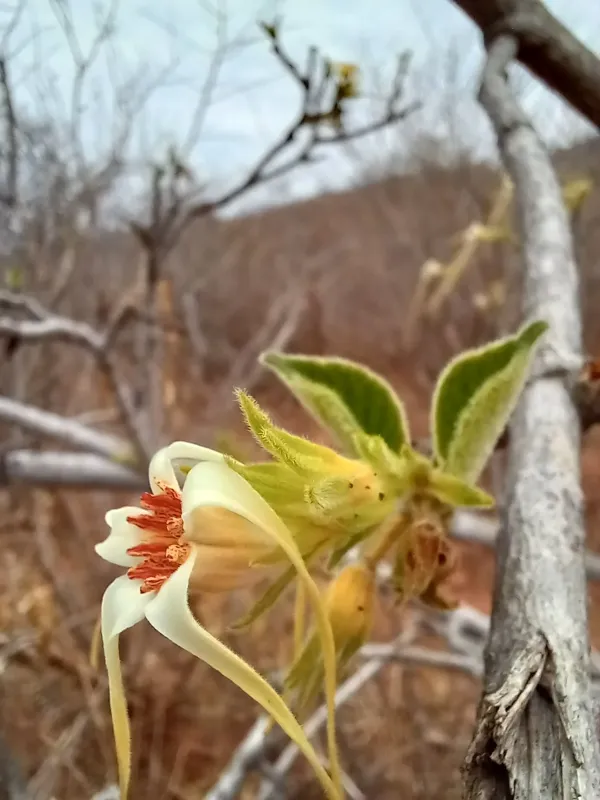
Description
Growing requirements
Strophanthus kombe is a perennial woody climber belonging to the Apocynaceae family. In its natural habitat, it functions as a large liana that climbs forest trees to reach sunlight, often extending several meters in length.
The plant is native to tropical Africa, predominantly found in eastern and central regions, such as Malawi, Mozambique, and Tanzania. It thrives in hot, humid climates that feature a distinct rainy season, which is crucial for its vegetative development.
Soil requirements for optimal growth include well-drained, fertile loams rich in organic matter. The crop is highly sensitive to waterlogging, necessitating planting sites with excellent drainage capabilities to prevent root rot.
Agronomic practices involve providing sturdy trellises or supports for the vines. Without structural support, the growth rate of the canopy decreases, which directly limits the production of fruit and seeds, the plant's most valuable components.
The primary commercial use of Strophanthus kombe is in the pharmaceutical industry. The seeds contain high concentrations of cardiac glycosides, particularly strophanthin, which are essential for treating various cardiac conditions.
Main diseases and pests
The crop is susceptible to tropical pests such as aphids and scale insects, which feed on tender shoots and leaves, potentially causing stunted growth and lower yield quality.
Fungal diseases, often triggered by excessive moisture and poor air circulation, can manifest as leaf spots or root rot, severely damaging the plant's health and pharmacological potential.
Effective management requires regular phytosanitary inspections and the removal of infected parts to ensure that the remaining crop remains productive and healthy.
Viral pathogens, often transmitted by insect vectors, can cause leaf chlorosis and deformation, which reduces the plant's overall efficiency in synthesizing active medicinal compounds.
Integrated pest management strategies are preferred to minimize the use of harsh chemicals, ensuring that the final seed harvest meets high international purity standards.
Harvesting
Harvesting Strophanthus kombe is a labor-intensive manual process, as the fruit pods ripen inconsistently over a wide time frame during the growing season.
Collectors must manually harvest the pods once they turn brown but before they split, as the seeds possess feathery appendages that facilitate dispersal by the wind.
Once harvested, the pods undergo a drying process in shaded, well-ventilated areas to protect the delicate cardiac glycosides from enzymatic or heat-related degradation.
After drying, the seeds are separated from the fruit debris, cleaned, and carefully graded by size and maturity to ensure standardized quality for pharmaceutical processing.
Proper storage is essential; the final product must be kept in cool, dry conditions to prevent moisture absorption, which could otherwise degrade the medicinal potency over time.