
Strophanthus boivinii
Strophanthus boivinii
Description
Growing requirements
Strophanthus boivinii is a perennial shrub or small tree belonging to the Apocynaceae family. Native to Madagascar, this plant thrives in tropical climates characterized by high humidity and consistent warm temperatures throughout the year.
For successful agricultural production, the plant requires well-drained, fertile soil with a slightly acidic to neutral pH level. It is highly sensitive to frost and cannot survive in regions with cold winters, requiring tropical or subtropical greenhouse environments for cultivation.
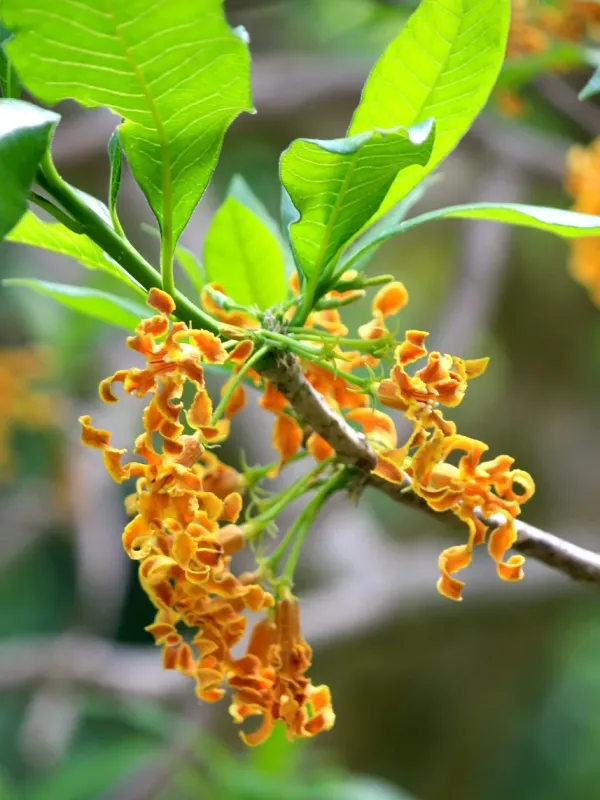
The botanical structure of Strophanthus boivinii is unique due to its long, ribbon-like corolla lobes, which are a hallmark of the species. Its evergreen foliage remains active year-round, provided that moisture levels are kept within the optimal range for the plant's metabolic processes.
Agricultural management includes regular pruning to maintain the desired height of the shrubs, which facilitates easier harvesting of the seed pods. Irrigation systems should be automated to prevent fluctuations in soil water content that could stress the plants.
The primary economic use of Strophanthus boivinii is the production of medicinal compounds. The seeds are a rich source of cardiac glycosides, which serve as essential active ingredients in pharmaceutical formulations used to treat chronic cardiac insufficiency.
Main diseases and pests
Common threats to Strophanthus boivinii include fungal root rot caused by waterlogged soil conditions. Proper drainage is the most critical management strategy to mitigate this risk and ensure long-term plantation health.
Pests such as spider mites and scale insects are frequent issues, especially when the plants are grown in confined or sheltered spaces. Integrated pest management, including the use of neem oil or targeted acaricides, is recommended for effective control.
Aphid infestations on young, tender flower buds can significantly reduce seed yields. Early detection and application of mild insecticidal soaps can help protect the developing reproductive organs from damage.
Nematodes present a threat in sandy soils, potentially causing stunted growth and poor nutrient uptake. Crop rotation and soil solarization are effective preventive measures against these soil-borne pathogens.
Mechanical damage during harvesting increases susceptibility to opportunistic bacterial infections. Sanitizing pruning tools and maintaining high plant vigor are essential steps in ensuring the longevity of the shrubs.