
Stapelia
Stapelia
Stapelia (genus Stapelia) is a group of perennial succulent plants belonging to the family Apocynaceae. Native to the arid regions of Southern Africa, these plants have evolved to thrive in harsh environments by storing water in their fleshy, leafless stems, which typically display a distinct four-angled structure with small tubercules.
What the section contains


Stapelia
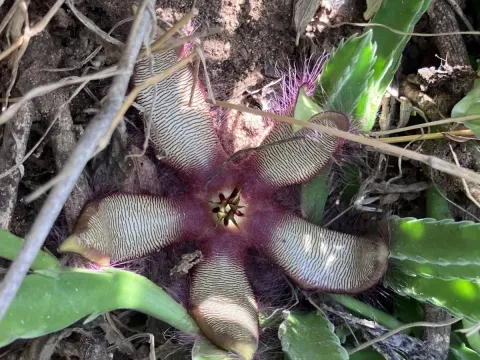
Botanically, stapelias are low-growing succulents with a shallow root system. This characteristic makes them highly dependent on well-draining soil and container size. They are prized for their unique, star-shaped flowers, which are often large and have a fuzzy texture, serving as a signature feature of this genus in botanical circles.
To cultivate stapelia successfully, one must provide bright, indirect sunlight. While they are desert-adapted, direct afternoon sun can cause severe tissue scorching. The ideal temperature range during the active growing season is between +22 and +26 degrees Celsius, with good ventilation being essential to prevent the accumulation of excess humidity.
The choice of soil is critical for preventing root-related issues. A porous mixture consisting of loam, leaf mold, and coarse sand in equal proportions is recommended. Adding charcoal can further improve the drainage and sanitary conditions of the substrate, preventing the common pitfalls of stagnant water and acidic decay.
Stapelia is primarily grown for its ornamental value in domestic and greenhouse horticulture. Collectors and gardeners value it for its resilience and unique aesthetic. Despite its unconventional pollination mechanism, which often involves mimicking the scent of decaying matter to attract flies, it remains a staple in succulent collections worldwide.
The most significant threat to stapelia is root rot, which almost exclusively results from overwatering or poorly drained soil. If the substrate remains damp for extended periods, the base of the stems becomes susceptible to fungal and bacterial decay. Immediate action involves drying the plant and repotting it in fresh, dry soil.
Common pests that infest stapelia include the mealybug and the spider mite. Mealybugs thrive in the tight crevices between the stem ribs, while spider mites often target the plants during periods of low atmospheric humidity. Both pests can significantly reduce the vitality of the plant if left unchecked.
Effective pest management involves a combination of mechanical removal and the use of targeted insecticides when infestations are severe. It is advisable to avoid excessive nitrogen application, as succulent growth stimulated by high nitrogen levels is often softer and more susceptible to piercing-sucking insect attacks.
Winter dormancy is a vital phase in the stapelia life cycle. During this period, the plant requires cooler temperatures (around +12-15 degrees Celsius) and significantly reduced watering. Failing to respect the dormancy period often leads to etiolated, weak growth that is prone to future health complications.
Maintaining a clean, well-draining environment remains the best defense against threats. Regular inspection of the root zone and stem surfaces ensures early detection of potential problems. With consistent care, stapelia remains a long-lived and visually striking specimen for any plant enthusiast.