
Strophanthus caudatus
Strophanthus caudatus
Description
Growing requirements
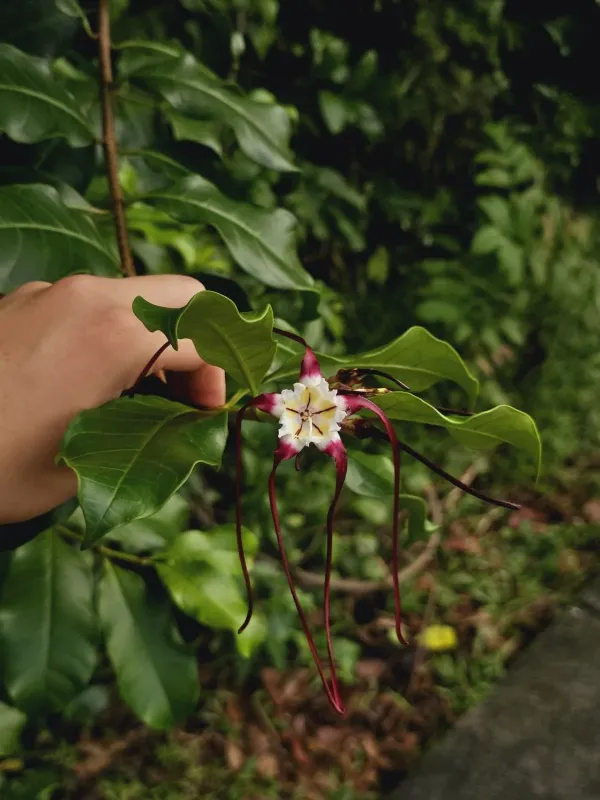
Strophanthus caudatus is a climbing woody vine belonging to the Apocynaceae family. It is distinct for its unique flower morphology, featuring long, slender, tail-like petals that distinguish it from other members of the genus.
Native to the tropical regions of Southeast Asia and parts of India, this plant thrives in dense rainforest environments. It typically grows as an epiphyte or climbing vine, utilizing larger trees as structural support to reach the forest canopy.
The climate requirements for Strophanthus caudatus are strictly tropical, characterized by consistent warmth and high humidity levels. It cannot tolerate freezing temperatures, as it is physiologically adapted to stable, hot environments throughout the year.
Soil conditions must provide excellent drainage, as the roots are highly susceptible to rot in waterlogged substrates. The ideal growing medium is rich in organic matter, slightly acidic, and maintained with adequate moisture levels without becoming saturated.
Economically, this species is cultivated primarily for its medicinal properties. The seeds are a known source of cardiac glycosides, which are extracted and utilized in the pharmaceutical industry for heart-related treatments and medicinal research.
Main diseases and pests
Fungal infections pose a significant risk to the plants, particularly in glasshouse conditions where air circulation might be insufficient. Maintaining a clean environment and managing humidity levels is essential for preventing leaf spots and stem rots.
Insects such as mites and mealybugs can cause damage to the foliage and stems of the vine. Producers should monitor the plants regularly for signs of infestation and utilize appropriate control strategies to ensure the quality of the raw plant material.