
Plumeria rubra
Plumeria rubra L.
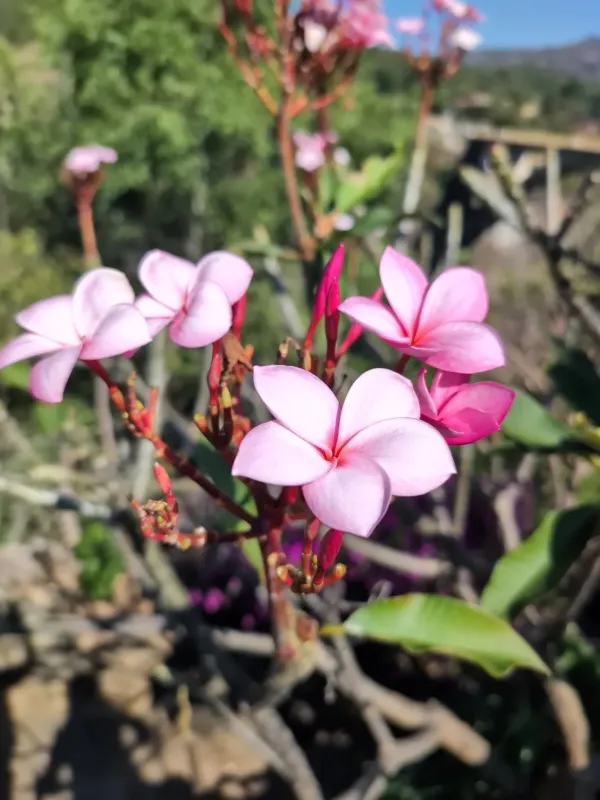
Description
Growing requirements
Plumeria rubra, widely known as the red frangipani, is a deciduous shrub or small tree belonging to the Apocynaceae family. Native to tropical zones across Mexico and Central America, it is a highly valued ornamental crop prized for its fragrant, colorful blossoms.
This species requires full sun exposure and warm temperatures, typically thriving in conditions where the mercury does not drop below 15°C. In temperate zones, it is strictly managed as a container crop or grown in specialized climate-controlled greenhouse facilities.
The optimal growth medium is a well-draining, porous potting mix. Heavy, water-retaining soils are detrimental to the plant's health, as they impede root respiration and frequently lead to the development of fungal rot in the vascular system.
Agronomic practices focus on a distinct seasonal management cycle: generous watering and fertilization during the growing phase, followed by a strict dormant period during which water is withheld to prevent excessive vegetative growth.
Economic utilization of the crop extends beyond its aesthetic appeal. The flowers are harvested for the production of essential oils and perfumes, while in some cultures, the plant holds significant traditional importance for ceremonial garlands and medicinal preparations.
Main diseases and pests
Common pests affecting Plumeria rubra include spider mites, mealybugs, and whiteflies, which thrive in low-humidity environments often found in indoor cultivation setups.
Fungal diseases are the primary threat, specifically rust caused by Coleosporium plumeriae, which can defoliate a plant rapidly if not managed with appropriate fungicides.
Inadequate soil drainage often leads to root rot pathogens like Phytophthora, necessitating a preventative approach centered on moisture control and substrate quality.
Integrated pest management strategies involve the use of horticultural oils and systemic insecticides applied specifically to the undersides of the leaves.
Cultural sanitation is paramount; removing fallen debris and ensuring proper spacing between plants helps prevent the spread of airborne spores and infestation outbreaks.