
Pleiocarpa pycnantha
Pleiocarpa pycnantha
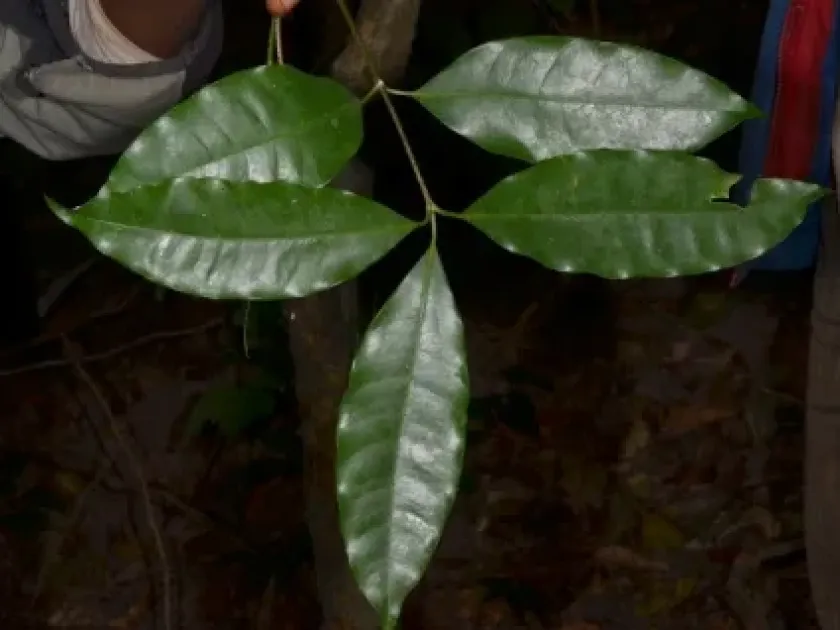
Description
Growing requirements
Pleiocarpa pycnantha is a prominent member of the Apocynaceae family, native to the tropical forests of Central and West Africa. This evergreen shrub or small tree is recognized for its thick, leathery leaves and fragrant, dense inflorescences.
Cultivation requires a tropical climate with high, consistent temperatures and significant annual rainfall. The plant thrives in semi-shaded environments, avoiding direct, intense sunlight which can scorch the foliage during the peak of the dry season.
Soil preferences include deep, fertile, and well-drained substrates. While the plant requires constant moisture, it is highly susceptible to root rot if the soil becomes waterlogged, necessitating careful management of irrigation systems and soil texture.
As an agricultural crop, its primary value lies in the concentration of indole alkaloids found in its bark and roots. These compounds are of significant interest to the pharmaceutical industry, particularly for the development of antihypertensive medications.
Successful management involves careful pruning and the maintenance of soil fertility. Regular fertilization with organic matter can enhance plant vigor and improve the quality of the harvested botanical material used for medical extractions.
Main diseases and pests
Root rot caused by fungal pathogens such as Phytophthora species is a major threat, typically triggered by improper water management or heavy, poorly drained clay soils that remain damp for too long.
Various insect pests, such as scale insects and spider mites, can infest the canopy, reducing the photosynthetic capacity of the plant. Integrated pest management (IPM) is recommended to minimize the reliance on harsh chemical pesticides.
Fungal leaf spots can manifest during periods of excessive humidity and poor air circulation. To mitigate this risk, thinning of the canopy and ensuring adequate spacing between individual plants during planting is essential.
Nematode infestations can damage the root system, causing general plant decline and decreased alkaloid production. Utilizing healthy, certified nursery stock and maintaining soil health are critical preventative measures against these pests.
Improper harvesting techniques, particularly aggressive bark stripping without allowing for tree regeneration, lead to structural damage. Sustainable harvesting practices are vital to maintain the longevity of the stand and ensure continued productivity.