
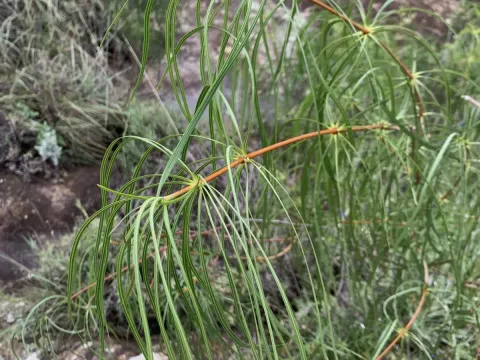
Ischnolepis
Ischnolepis
Ischnolepis is a genus of plants belonging to the Apocynaceae family, representing an interesting, albeit niche, subject for agricultural research and development.
What the section contains


Ischnolepis
The optimal sowing time begins when the soil temperature consistently reaches 20°C, ensuring rapid germination and uniform establishment of the crop seedlings.
Seeds should be treated before planting to overcome natural dormancy factors and ensure a higher percentage of viability in field conditions.
Planting depth should be carefully controlled at approximately 1-2 centimeters to ensure adequate moisture access without hindering the emergence process.
Maintaining proper spacing between rows is essential to facilitate mechanical care and ensure that each plant receives sufficient nutrients and light.
The crop thrives in well-drained, sandy loam soils that prevent waterlogging, which is essential for the long-term health of the plant's root system.
Exposure to full sunlight is a primary requirement, as Ischnolepis shows the best growth rates when provided with long periods of direct solar radiation.
Moderate but consistent irrigation is recommended, especially during the flowering stage, to support the development of high-quality plant biomass.
Soil nutrient status should be monitored regularly, with supplemental nitrogen provided early in the season to boost initial leaf development.
Climate conditions play a vital role, and the plant performs optimally in warm, temperate regions with low to moderate relative humidity.
Fungal diseases, particularly those affecting the root and collar zones, pose a significant threat during periods of excessive moisture or poor aeration.
Pest management should focus on monitoring for sap-sucking insects like mites and aphids that can severely stunt the plant's overall growth potential.
Integrated Pest Management (IPM) strategies, including the use of biological controls, are highly recommended to keep populations of harmful insects under control.
Regular sanitation of the field, including the removal of infected debris, is a primary cultural method for preventing the spread of persistent pathogens.
Early intervention with selective fungicides can significantly reduce the risk of crop failure when environmental conditions favor the development of mold.