
Lavrania haagnerae
Lavrania haagnerae
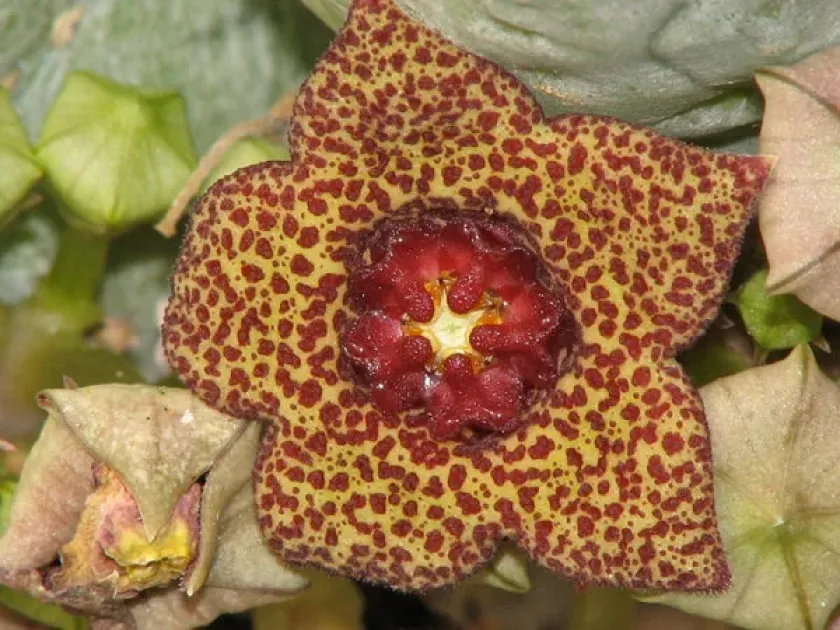
Description
Growing requirements
Lavrania haagnerae is a rare and highly specialized succulent belonging to the Apocynaceae family. It is renowned for its fascinating, succulent, and branched stems that form dense clumps, making it a prized specimen for botanical collections.
The species originates from the arid regions of Namibia. In its native habitat, it relies on specialized physiological adaptations to thrive in environments with very low rainfall and intense solar radiation, storing water efficiently within its stems.
When cultivating Lavrania haagnerae, light intensity is the most critical factor. It requires high levels of natural sunlight to maintain its structure. In indoor environments, supplement with professional-grade LED grow lights to prevent etiolation.
The substrate must be extremely porous and well-draining. A typical mix should include mineral components such as volcanic rock, coarse sand, perlite, and a very limited amount of organic peat to ensure the roots do not remain damp for too long.
Temperature management requires a warm environment during the growing season and a cooler, dry period during the winter. Avoid any sudden temperature drops when the plant is hydrated, as this significantly increases the risk of stem collapse.
Main diseases and pests
The most common cause of failure in keeping Lavrania haagnerae is improper watering. Waterlogged soil quickly leads to root rot, which, if not caught immediately, can easily spread to the main stem structure, proving fatal for the plant.
Mealybugs are the primary pest concern for this species. They find refuge in the crevices between the branches, making manual removal difficult. Using systemic insecticides can help manage infestations before they become unmanageable.
Spider mites can also be a significant issue in dry, poorly ventilated conditions. Their feeding leaves disfiguring marks on the epidermis and can facilitate secondary bacterial or fungal infections.
Preventive maintenance includes ensuring excellent airflow around the plant. Proper ventilation helps regulate temperature and prevents the buildup of humidity, which is detrimental to the health of desert succulents.
Periodic visual inspections are advised to catch early signs of pest activity or rot. If signs of rot are detected, the affected areas must be surgically removed, and the cut should be dusted with fungicide to prevent the infection from spreading.