
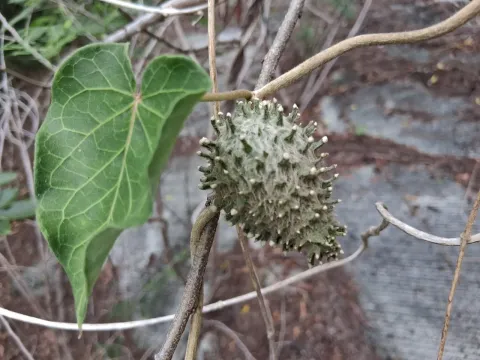
Ibatia
Ibatia
Ibatia is a genus of perennial herbaceous vines belonging to the Apocynaceae family. In agricultural practices, propagation is primarily carried out via seeds, which require specific conditions for optimal germination rates in a controlled greenhouse environment.
What the section contains

Ibatia
The sowing process begins in the early spring, ensuring that soil temperatures remain consistently above 22 degrees Celsius. Using a well-draining, lightweight substrate is crucial to prevent seed rot before the germination period concludes.
Vegetative propagation via cuttings is also a common method for maintaining specific plant characteristics. Cuttings are taken from healthy, semi-hardwood shoots and treated with rooting hormones before being placed in a humid environment.
Proper spacing between seedlings is essential to allow for adequate airflow during the initial growth stages. Once the plants reach a height of 15–20 centimeters, they are typically transplanted to their final growing locations.
The development of the root system is highly dependent on consistent moisture and soil aeration. Farmers must ensure that the substrate is kept moist but not saturated to encourage robust primary root growth in the young Ibatia vines.
Ibatia thrives in bright, indirect light. While the plant requires significant energy for its fast-growing vines, direct midday sunlight can damage the leaves, making filtered light or semi-shaded areas ideal for cultivation.
The ideal soil for Ibatia is fertile, rich in organic matter, and well-draining. The plant performs best in neutral to slightly acidic pH levels, which support the efficient uptake of essential macronutrients from the soil profile.
Watering requirements are moderate but steady. It is vital to maintain a balanced soil moisture level, as both drought stress and waterlogging can severely impede the development and overall yield of the plant.
Temperature control is a critical factor in Ibatia production. As a tropical genus, it is extremely sensitive to cold temperatures, requiring protection from any conditions falling below 15 degrees Celsius to maintain healthy vegetative growth.
The use of vertical support systems such as trellis nets or sturdy bamboo poles is a standard requirement. Supporting the vines prevents the foliage from matting on the ground, which significantly reduces the risk of fungal infections.
Spider mites are the most frequent threat to Ibatia, especially in environments where humidity levels are low. These pests can rapidly colonize the undersides of leaves, causing chlorosis and significant reduction in photosynthetic capacity.
Mealybugs pose a constant threat by clustering in leaf axils and stems, draining the plant's sap. Integrated pest management, including the use of horticultural oils, is often required to keep populations under control.
Root rot is the most common disease associated with improper irrigation practices. Overwatering in the absence of proper soil drainage allows pathogenic fungi to attack the root system, which can lead to plant death.
Powdery mildew may manifest as a white, dusty layer on the leaves during periods of high humidity and poor air circulation. Improving airflow through regular pruning and strategic plant spacing is the best preventative measure.
Aphid infestations can impact the development of tender new shoots. Regular scouting of the plantation is recommended, as early detection allows for the application of soaps or biological controls to protect the crop.