
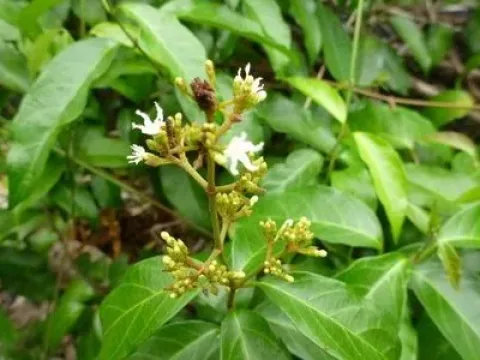
Ichnocarpus
Ichnocarpus
Ichnocarpus (specifically Ichnocarpus frutescens) is a perennial woody vine belonging to the Apocynaceae family. In its natural habitat, it propagates via seeds dispersed by wind or through stem layering, where branches touching the ground develop roots.
What the section contains

Ichnocarpus
For commercial cultivation, seeds are sown in a nutrient-rich substrate under controlled greenhouse conditions. Maintaining a consistent temperature between 22 and 26 degrees Celsius is essential for successful germination, which usually occurs within two to three weeks.
Seedlings require protection from intense direct sunlight and consistent moisture levels during their early developmental phase. Once plants reach a height of approximately 20 centimeters, they are hardened off before transplanting into the permanent field site.
Vegetative propagation using semi-hardwood cuttings is the preferred method for maintaining genetic uniformity. Cuttings are treated with rooting hormones and placed in a sand-peat medium, ensuring they develop a robust root system before being moved to the field.
Timing the planting is critical; it should coincide with the beginning of the frost-free season. Ensuring that the soil is warm and well-prepared promotes rapid initial growth, which is necessary for the plant to become established before the onset of extreme weather.
As a tropical and subtropical species, Ichnocarpus thrives in warm environments with high relative humidity. It is best suited to regions where temperatures rarely drop below 15 degrees Celsius, as cold spells can significantly inhibit its growth and metabolic processes.
The ideal soil for this vine is light, porous, and high in organic matter. Proper drainage is the most critical soil requirement, as the roots are highly susceptible to rotting in waterlogged or heavy, clay-based soils that do not allow for air circulation.
Since it is a climbing vine, providing sturdy vertical support systems like trellises or netting is non-negotiable for commercial yields. These supports allow for optimal leaf exposure, which is necessary for efficient photosynthesis and easier harvest management.
Regular irrigation is required, particularly during dry spells, to prevent the plant from dropping its foliage. Drip irrigation systems are highly recommended, as they provide consistent moisture directly to the root zone without wetting the leaves, reducing the risk of fungal infections.
Fertilization should focus on balanced N-P-K blends, with higher nitrogen application during the early growth stages to encourage leaf production. Organic fertilizers, such as well-rotted compost, are excellent for improving soil structure and providing a steady release of nutrients.
The economic potential of Ichnocarpus is based on the harvest of its leaves and roots for pharmaceutical use. Production typically reaches a commercial level by the third year, once the plant has developed a dense canopy and an extensive root network.
Leaf harvesting is generally conducted twice per season, carefully timing the cuts to avoid the flowering stage. By collecting leaves before the plant directs its energy towards reproductive organs, producers can ensure higher concentrations of active medicinal compounds.
Root harvesting is a more intensive process that involves partially extracting rhizomes from mature plants aged 4 to 5 years. This practice must be managed carefully to ensure the plant survives the harvest and can regenerate in subsequent seasons.
With proper trellis management and dense planting density, yield per hectare can be quite high. Yield efficiency is closely tied to how well the pruning of the vine is managed, which directly impacts the new growth of secondary shoots.
Post-harvest processing is essential to maintain the quality of the raw material. Immediate drying in a shaded, well-ventilated area is necessary to prevent fermentation and the loss of essential oils, ensuring the final product meets market quality standards.
Ichnocarpus is generally resilient, but high humidity and poor ventilation can lead to fungal issues like powdery mildew. Thinning out the vine foliage is a standard preventive measure to increase airflow and reduce moisture accumulation on leaves.
Spider mites represent a major threat, particularly in hot and dry climates. They colonize the undersides of leaves, causing yellowing and premature leaf drop. Regular monitoring and the use of insecticidal soaps or neem-based products are effective control strategies.
Thrips can also be problematic, especially during the tender growth stages. They feed on sap, which can cause leaf distortion and significantly decrease the aesthetic and medicinal value of the harvestable material.
Root-knot nematodes are a hidden danger that can devastate a plantation. Using certified disease-free planting material and practicing proper crop rotation are the most effective ways to prevent nematode infestations before they start.
Maintaining high sanitary standards by removing plant debris from the field is vital. Since various pathogens can survive in decaying vegetation, keeping the ground beneath the trellises clean prevents the cycle of re-infection in the next growing season.
Harvesting should be performed manually to ensure the integrity of the vine. Workers use sharp pruning shears to collect leaf batches, taking care not to wound the main stems, which would allow pathogens to enter the plant's vascular system.
The best time to harvest is mid-morning, once the night dew has dried off the foliage. This reduces the risk of spoilage during the initial storage stage and ensures that the leaves contain the highest concentration of phytochemicals.
Post-harvest sorting is crucial; workers must remove any dead, spotted, or pest-damaged leaves before the drying process begins. Only uniform, healthy material should be kept to ensure a premium grade for pharmaceutical buyers.
Drying racks should be located in a cool, dark room with consistent airflow to preserve the color and active ingredients of the leaves. High temperatures during drying should be avoided, as they can cause the loss of volatile essential oils.
Once dried, the raw material is packaged in breathable bags and stored in a humidity-controlled environment. Proper storage prevents rehydration and fungal growth, ensuring that the pharmacological value remains stable for several months until the product is sold.