
Ischnolepis graminifolia
Ischnolepis graminifolia
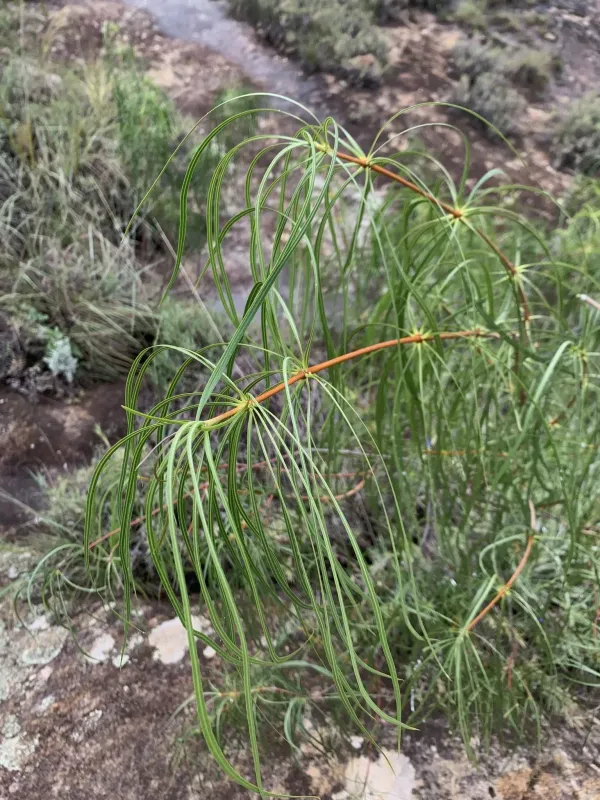
Description
Growing requirements
Ischnolepis graminifolia is a distinct botanical species belonging to the Apocynaceae family. As a monotypic genus, it stands out due to its unique leaf structure and growth habits, which reflect its specialized evolutionary path within the complex ecosystems of Africa.
The native distribution of this plant is centered on Madagascar. It thrives in well-draining, rocky soil profiles typical of open grasslands and savannahs. Its root system is specifically adapted to these environments, allowing the plant to survive periodic dry spells with minimal water availability.
When cultivating this species, mimicking its natural habitat is crucial for success. It requires high light intensity to maintain its characteristic growth form and structural integrity. A lack of sufficient light often results in elongated, weak stems that are prone to mechanical damage.
Soil requirements focus heavily on porosity and drainage. Commercial mixes for arid or rocky plants, often enriched with small amounts of grit or perlite, are suitable. Maintaining a near-neutral pH level helps ensure optimal nutrient uptake and prevents stunted vegetative growth.
Agrotechnical management primarily involves controlled irrigation cycles. Growers must ensure that the substrate dries out sufficiently between waterings to prevent the development of root pathogens. Monitoring humidity levels is also vital, as excessive moisture can negatively impact the plant's overall health and vitality.