
Ischnolepis natalensis
Ischnolepis natalensis
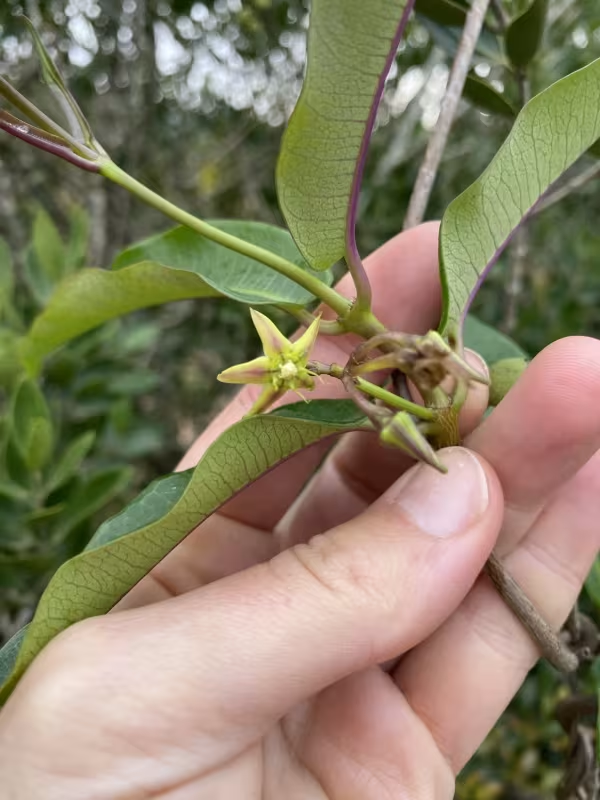
Description
Growing requirements
Ischnolepis natalensis is a distinctive plant species belonging to the Apocynaceae family. Native to the Natal region of South Africa, it demonstrates unique botanical adaptations that allow it to thrive in nutrient-poor, rocky substrates characteristic of its origin.
The plant grows as a subshrub, often exhibiting vining tendencies depending on the surrounding environmental conditions. Its biology is deeply tied to the subtropics, necessitating consistent warmth and high levels of ambient light to maintain optimal metabolic activity.
Regarding soil requirements, the plant demands excellent drainage. In cultivation, a mix of porous materials like coarse sand, volcanic rock, or pumice is essential to prevent root asphyxiation. The pH level should ideally remain neutral or slightly acidic for best results.
Climate control is paramount. As a tropical and subtropical species, it cannot withstand frost or temperatures below 10–12 degrees Celsius. Protection from cold drafts and moisture-laden air is necessary during the winter months to avoid dormancy-related complications.
Watering must be strictly managed to mimic the seasonal rainfall patterns of its native habitat. During the active growth phase, moisture should be provided only when the growing medium has dried out significantly, ensuring root health and disease prevention.
Main diseases and pests
Common pests associated with this species in indoor or greenhouse settings include mealybugs and spider mites. These pests thrive in dry environments and can quickly sap the plant's vitality by feeding on the sap of tender stems.
Fungal infections, particularly root rot, represent the primary threat to the longevity of the plant. Over-watering, combined with poor airflow, creates a perfect breeding ground for pathogens such as Phytophthora.
Leaf spot diseases are also prevalent if the plant is grown in high humidity without adequate ventilation. Ensuring that the foliage remains dry and that air circulates freely around the plant is the most effective cultural control method.
Insects like aphids can also become an issue during the spring flush, requiring integrated pest management (IPM) strategies to avoid the use of harsh chemicals that might harm the plant's delicate tissues.
Regular inspection of the undersides of leaves and the stem base is recommended to identify early signs of infestation or fungal activity, allowing for swift intervention before the issue becomes systemic.