
Tristagma anemophilum
Tristagma anemophilum
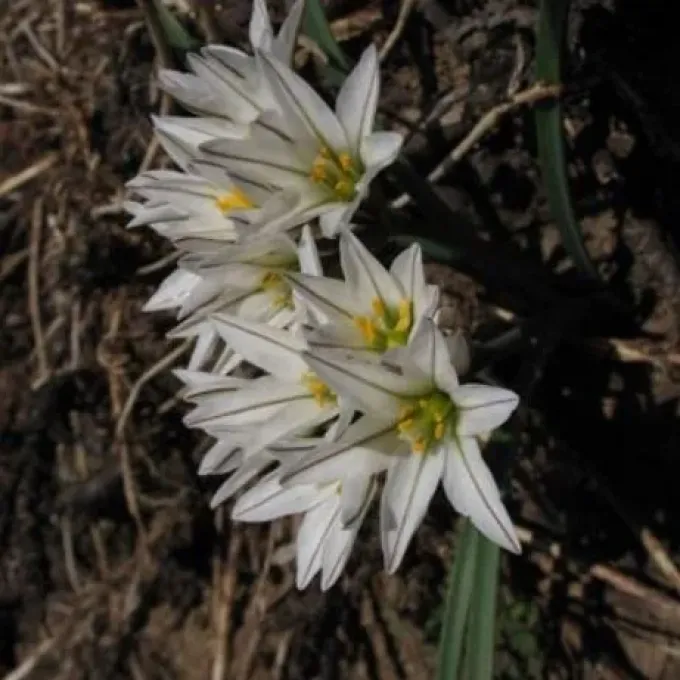
Description
Growing requirements
Tristagma anemophilum is a perennial bulbous plant belonging to the Amaryllidaceae family. It is recognized for its unique botanical adaptation to the extreme environments found in the high-altitude regions of the Southern Andes in South America.
The plant originates from the mountainous landscapes of Argentina, where it thrives in rocky and well-drained soils. Its biological structure is finely tuned to survive long periods of seasonal drought, often entering dormancy as temperatures rise and moisture decreases.
Successful cultivation requires a growing environment that mimics its natural habitat. Key factors include excellent soil aeration and mineral-rich substrates. The roots are highly sensitive to waterlogging, necessitating the use of gravelly soils to prevent bulb rot.
Climatic requirements are centered around distinct seasonal cycles. The plant performs best in areas with cool, moist springs followed by a hot, dry summer. Exposure to full sun is essential for the healthy development of foliage and subsequent bloom cycles.
In terms of economic and horticultural use, Tristagma anemophilum is primarily utilized in specialized rock gardens and botanical collections. Due to its niche requirements, it remains a rare subject in commercial agriculture, appealing mostly to enthusiasts of high-altitude flora.