
Chlidanthus fragrans
Chlidanthus fragrans
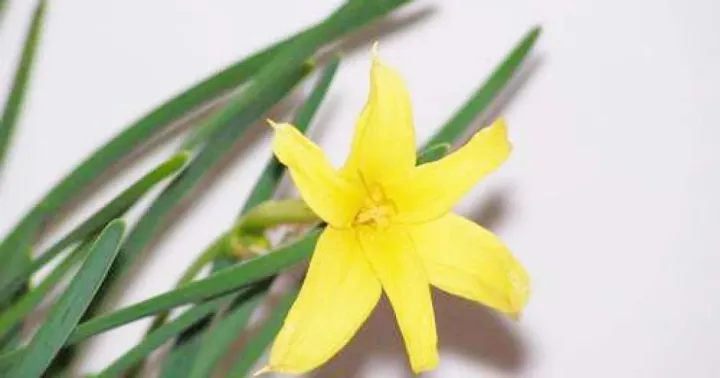
Description
Sowing dates
Chlidanthus fragrans is a bulbous plant, and planting in open soil should only take place in the spring, once soil temperatures reach 15-18 degrees Celsius.
The ideal time for planting is late May, once the risk of night frost has passed, as this heat-loving member of the Amaryllidaceae family is sensitive to cold.
The planting depth for the bulbs should be between 10 and 15 centimeters, depending on the bulb size, with a spacing of about 20 centimeters between each plant.
When grown in containers, planting can begin as early as March or April, provided the plants are placed in a sunny location and kept moderately watered.
Choosing a site with full sun and protection from strong winds is essential to ensure the plant completes its full vegetative cycle during the growing season.
Growing requirements
This crop prefers light, well-draining, and nutrient-rich soil with a neutral to slightly acidic pH to prevent the bulbs from rotting during rainy spells.
Good drainage is crucial, especially in heavy clay soils, so adding sand or grit to the bottom of the planting hole is recommended to protect the bulb roots.
Chlidanthus fragrans requires direct sunlight for at least 6-8 hours daily to successfully produce its characteristic fragrant flower stalks.
During the active growing season, temperature levels should remain between 20 and 25 degrees; the plant struggles in cooler conditions and may require protection.
During the dormancy phase, bulbs must be stored in a dry, cool place at roughly 10-12 degrees, which is a mandatory condition for their survival and future blooms.
Main diseases and pests
The primary threats include fungal diseases such as Fusarium and gray mold, which thrive in poorly aerated or waterlogged soil conditions.
Onion flies pose a significant pest risk, as their larvae burrow into the bulb, causing the plant to wither and eventually perish if left untreated.
High humidity and poor air circulation can also lead to infestations of aphids or spider mites, which weaken the plant by feeding on its foliage and stems.
Prevention relies on treating bulbs with fungicides before planting and maintaining a strict watering schedule that prevents soil saturation and overhead moisture.
Regular inspection of the foliage for signs of pests or disease allows for timely intervention using appropriate pesticides or removal of infected material.
Harvesting
Harvesting bulbs should be done in the autumn after the foliage has naturally yellowed and died back, indicating that the bulb has reached full maturity.
Once dug up, bulbs should be cleaned of soil, dried thoroughly in the shade, and separated from any offsets that have reached a sufficient size for replanting.
For winter storage, keep the bulbs in containers filled with dry peat, vermiculite, or sand to ensure they remain protected from moisture and pests.
Conducting monthly checks throughout the winter storage period is vital to identify and remove any decaying bulbs, keeping the healthy stock safe.
With correct handling and storage during the dormant season, Chlidanthus fragrans bulbs will maintain their vigor for a successful display the following spring.