

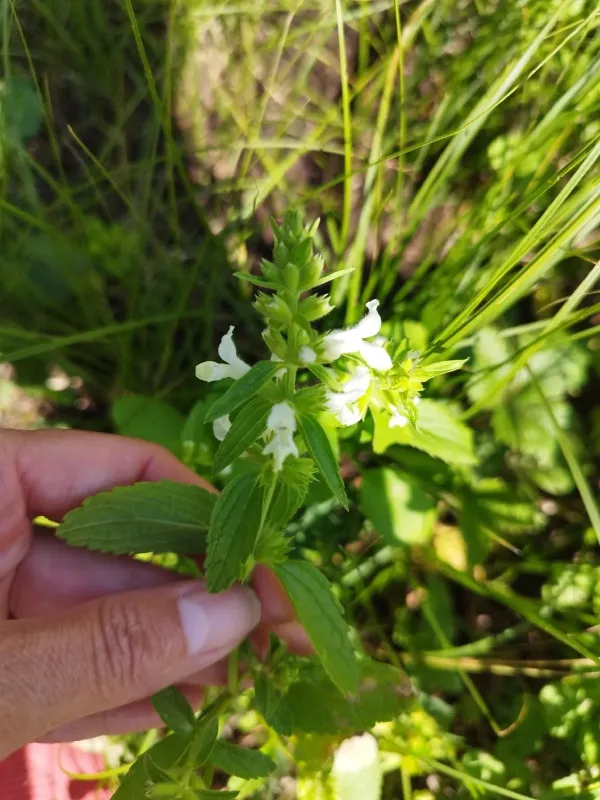
Description
Sowing dates
Annual hedge-nettle, scientifically known as Stachys annua, belongs to the Lamiaceae family. In agricultural settings, it is primarily recognized as a troublesome weed that infests cereal and row crops.
Germination typically occurs from April through June, depending on soil temperature and moisture levels. Seeds can emerge from depths of up to 4 centimeters, making shallow soil cultivation techniques crucial for management.
The flowering stage lasts from June until early autumn. A single plant can produce a substantial volume of seeds that remain viable in the soil seed bank for many years, presenting a long-term challenge for farmers.
Successful management strategies focus on crop rotation and integrated weed control. Competitive crops that form a dense canopy are highly effective in suppressing the development of annual hedge-nettle.
Mechanical operations, including inter-row cultivation, should be executed before the plant reaches the seed-set stage to prevent further soil contamination and ensure long-term field productivity.
Growing requirements
Annual hedge-nettle thrives in well-lit, sunny environments. It lacks shade tolerance, which is why dense crop stands are effective in reducing its competitive edge in the field.
The plant prefers fertile, well-drained soils, typically loams or black earths with neutral to slightly alkaline pH levels. It avoids waterlogged conditions, though it remains resilient in various soil types.
Ideal temperatures for growth range between +18 and +26 degrees Celsius. The species exhibits moderate drought tolerance, allowing it to compete for moisture during the drier months of the growing season.
Soil management plays a key role in its presence; compacted soils often encourage the establishment of this weed, suggesting that proper tillage practices are vital for its suppression.
By optimizing crop nutrition and irrigation, farmers can help the primary crop outcompete the hedge-nettle, thereby minimizing the impact of the weed on total yield.
Main diseases and pests
Like many species within the Lamiaceae family, annual hedge-nettle is susceptible to fungal pathogens, including powdery mildew, particularly in humid and warm weather conditions.
Insect pests such as leaf-eating beetles and aphids frequently inhabit the plant. These insects can use the hedge-nettle as a host to bridge the gap between crop growth cycles.
Disease symptoms usually manifest as leaf spots or visible mycelial growth, which can potentially spread to neighboring cultivated plants if not managed appropriately.
Control methods involve traditional phytosanitary measures, including the destruction of weed debris after harvest and the strategic application of herbicides during the early stages of growth.
While the plant is quite hardy, maintaining soil health and preventing excessive weed pressure are the best ways to mitigate the risk of pathogen spread across the field.
Reference
Connections · Annual hedge-nettle
Most often together:
Marketplace
Products · 9


