
Stachys aethiopica
Stachys aethiopica L.
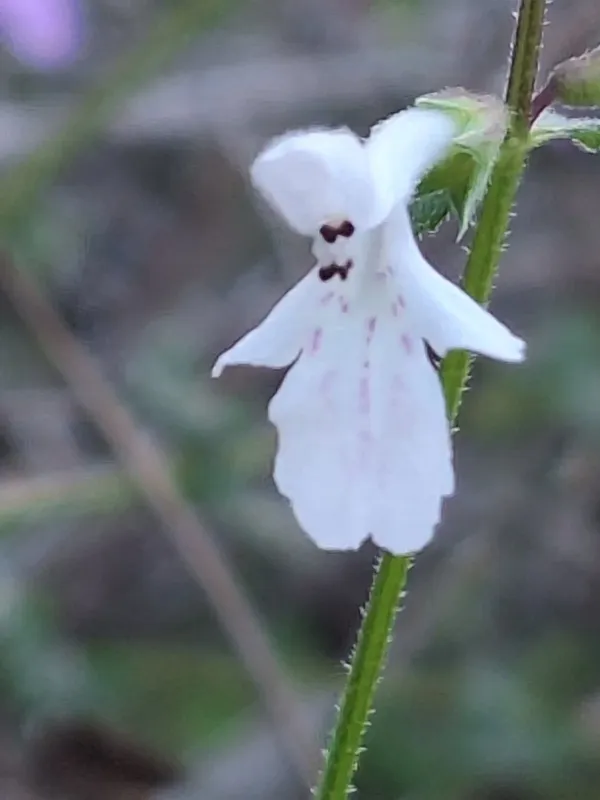
Description
Growing requirements
Stachys aethiopica L., commonly known as African woundwort, is a herbaceous perennial belonging to the Lamiaceae family. Native to South Africa, it has adapted to diverse climatic conditions ranging from grasslands to rocky slopes.
The plant exhibits typical features of the genus Stachys, including opposite, often hairy leaves and distinct inflorescences. This morphological structure is an evolutionary adaptation that helps the plant manage moisture in arid or semi-arid environments.
Optimal growth requires well-drained soils, preferably sandy loams with a neutral pH. The species is highly sensitive to waterlogging; therefore, selecting sites with good drainage is critical for successful cultivation and root health.
Regarding light requirements, this crop thrives under full sun exposure. While it exhibits drought tolerance, irrigation management remains vital during the initial stages of establishment to ensure robust root development.
Agronomic practices focus on minimal disturbance of the soil and maintaining adequate spacing to prevent moisture accumulation around the plant base. Regular weeding is recommended, as the plant can struggle to compete with aggressive weeds during its early growth phase.
Main diseases and pests
The primary pathological threats include fungal infections such as powdery mildew and leaf spot diseases. These are frequently triggered by high humidity levels and poor ventilation within the crop canopy, necessitating careful site management.
Pest pressures are predominantly caused by sap-sucking insects, including aphids and spider mites. These pests tend to colonize the plant during hot, dry spells, which can lead to stunted growth and reduced essential oil yield.
Management strategies involve a combination of cultural practices and targeted biological interventions. Maintaining optimal plant density is the most effective preventative measure against the rapid spread of fungal spores between neighboring plants.
Integrated Pest Management (IPM) protocols should be followed to protect the medicinal value of the crop. Chemical control is considered a secondary option, reserved for high-infestation scenarios where biological controls are insufficient.
Constant monitoring of the field environment is crucial for early detection of issues. Identifying pest outbreaks at an early stage allows for localized treatment, thereby preserving the overall health and productivity of the cultivated area.