
Stachys byzantina
Stachys byzantina K. Koch
Description
Sowing dates
Stachys byzantina is typically propagated via seeds or division. Seeds can be sown indoors in early spring or directly into the garden beds once the threat of frost has passed and the soil has sufficiently warmed up.
When sowing seeds, surface-sow them and press gently into the soil, as light is beneficial for their germination. Keep the seedbed consistently moist until the sprouts appear, which usually takes about 14 to 21 days.
Division is the most reliable method to propagate established plants. Dig up the clumps in spring or early autumn, separate the rosettes, and replant them at the same depth they were growing previously.
Spacing is essential for this plant to thrive; allow at least 30 to 45 centimeters between each plant. Adequate airflow between individual rosettes is the best defense against various foliage issues.
Young plants established via division require a bit more frequent watering during their first weeks to ensure the root system is properly anchored in the new site.
Growing requirements
As a member of the Lamiaceae family, Stachys byzantina is native to the Middle East and the Caucasus region. It is highly valued in agriculture and landscaping for its drought tolerance and minimal nutrient requirements.
The plant thrives in well-draining, relatively infertile soil. Heavy clay soils that retain moisture should be amended with grit or sand to prevent root rot, which is the primary cause of plant failure.
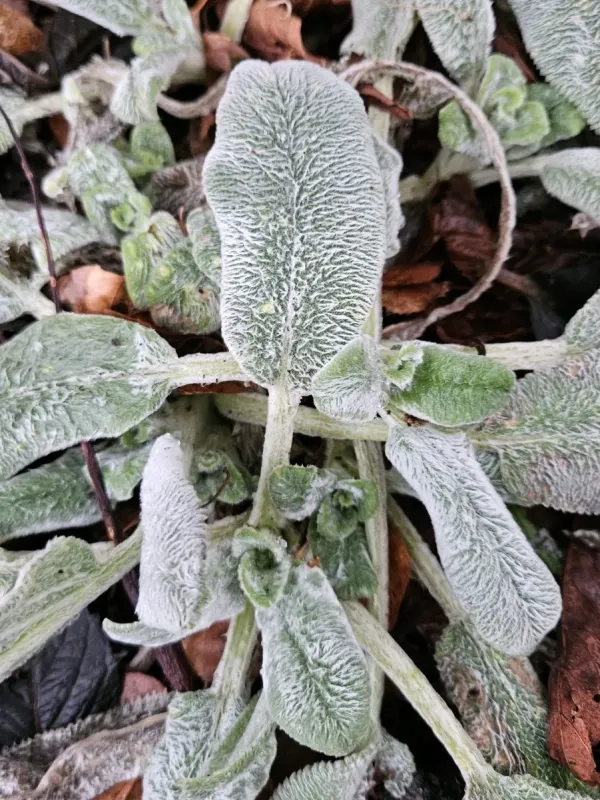
Full sun is required for optimal health and to maintain the characteristic silver-grey felted appearance of the leaves. In shadier environments, the plant tends to lose its vigor and becomes prone to disease.
Watering should be deep but infrequent. Always aim the water directly at the soil level, avoiding the leaves entirely, as wet foliage combined with stagnant air is a recipe for fungal problems.
Stachys byzantina is hardy and generally does not require winter protection in most temperate zones. It is an excellent choice for xeriscaping or low-maintenance garden borders.
Main diseases and pests
Root and crown rot are the most frequent threats, particularly in areas with high rainfall or poorly draining soils. Improving the drainage capacity of the planting site is the most effective preventative measure.
Powdery mildew can affect the foliage during periods of high humidity and poor circulation. To mitigate this risk, remove any dead leaves from the base of the plant to improve airflow at the ground level.
Slugs and snails may occasionally feed on the leaves during wet weather. Using physical barriers, such as crushed eggshells or copper tape, can protect the plants from these mollusks.
Insect pests such as aphids or spider mites are rarely a significant issue for this plant, as the dense, fuzzy hairs on the foliage make it unappealing for many typical garden pests.
Maintaining a clean garden bed and strictly adhering to a moderate watering schedule are usually sufficient to ensure the health and longevity of Stachys byzantina.