
Alpine hedgenettle
Stachys alpina L.
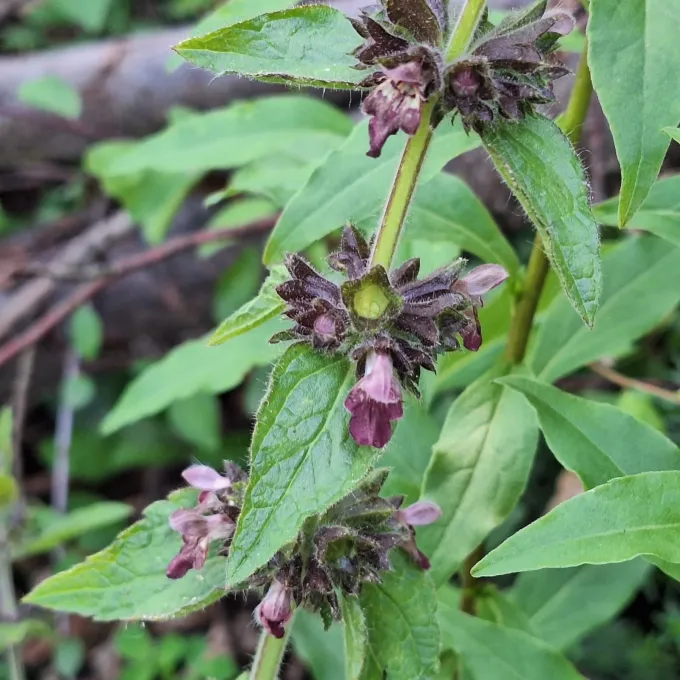
Description
Sowing dates
Alpine hedgenettle (Stachys alpina L.) is a perennial herbaceous plant belonging to the Lamiaceae family. It is typically propagated by seeds, which require a cold stratification period to break dormancy and ensure uniform germination.
The optimal sowing time is in late autumn, allowing the seeds to undergo natural winter chilling. Alternatively, spring sowing can be performed if the seeds have been stratified in a refrigerator at temperatures around 4 degrees Celsius for 4-6 weeks.
Seeds should be sown in rows with a spacing of 50-60 centimeters. Because the seeds are small, they should be covered with only a thin layer of fine soil or vermiculite, ensuring they are not buried too deeply to maintain light exposure during emergence.
In the first year, the plant focuses on establishing a strong root system and a basal leaf rosette. The vegetative development is relatively slow, and growers should ensure the area is kept free of weeds during this initial establishment phase.
Once established, the plant is quite vigorous. For commercial production, it is recommended to start the plants in trays and transplant them once they have developed at least four true leaves to ensure higher survival rates in the field.
Growing requirements
Alpine hedgenettle thrives in moderately fertile, well-drained loamy soils. While it prefers neutral to slightly alkaline soil conditions, it is generally adaptable to a range of soil types provided they are not waterlogged.
Full sun to partial shade is ideal for this species. In regions with very hot summers, partial shade during the peak of the afternoon helps maintain leaf quality and prevents early flowering or drying of the foliage.
The plant has a moderate water requirement. It is somewhat drought-tolerant once fully established, but for optimal biomass production, consistent moisture is necessary, particularly during the active growth phase before flowering.
Being an alpine species, Stachys alpina is highly winter-hardy. It tolerates low temperatures well and thrives in regions where winters are snowy or consistently cold, as it remains dormant until spring warming.
Avoid planting in areas with high water tables or heavy, clay-based soils that retain too much moisture. Proper soil aeration is crucial to prevent root rot and support the plant's long-term health and productivity.
Main diseases and pests
The most common disease impacting this crop is root rot, particularly in poorly drained soil. Symptoms include wilting and yellowing of the leaves, eventually leading to the death of the plant if the conditions remain wet.
Powdery mildew can occur during periods of high humidity and poor air circulation. It appears as a white, powdery coating on the foliage, which can reduce the quality of the medicinal raw material and inhibit plant growth.
Aphids are the primary insect pest that feeds on the soft tissues of the young shoots and leaves. In high infestations, they can stunt growth and transmit viral diseases to the crop, requiring timely monitoring.
Slugs and snails can cause significant damage to young seedlings. Using physical barriers like crushed eggshells or sand around the base of the plants, or organic bait, is usually sufficient to manage these pests.
Good agricultural practices, such as ensuring proper spacing for air movement and maintaining clean cultivation to suppress weeds, are the most effective ways to reduce the risk of diseases and pest outbreaks.
Harvesting
The harvesting process should be timed to occur during the peak flowering stage. This is when the plant's essential oil content and concentration of bioactive secondary metabolites are at their highest levels.
Using sharp shears or mechanical equipment, the upper flowering stems should be cut. Usually, about 20-30 centimeters of the top portion of the stem are harvested, leaving enough vegetative base for the plant to regenerate.
After harvesting, the material should be transported immediately to a drying facility. Speed is important to prevent fermentation of the cut green mass, which would decrease the quality and aromatic profile of the herbs.
Drying is best achieved in a dark, warm, and well-ventilated area at temperatures not exceeding 40 degrees Celsius. Excessive heat can volatilize the essential oils and degrade the therapeutic quality of the product.
Once fully dried, the herb should be packed in breathable material such as paper or cardboard to maintain its quality. Store the final product in a cool, dark, and dry environment to prolong its shelf life for up to two years.