
Stachys byzantina
Stachys byzantina K. Koch x Stachys debilis Kunth
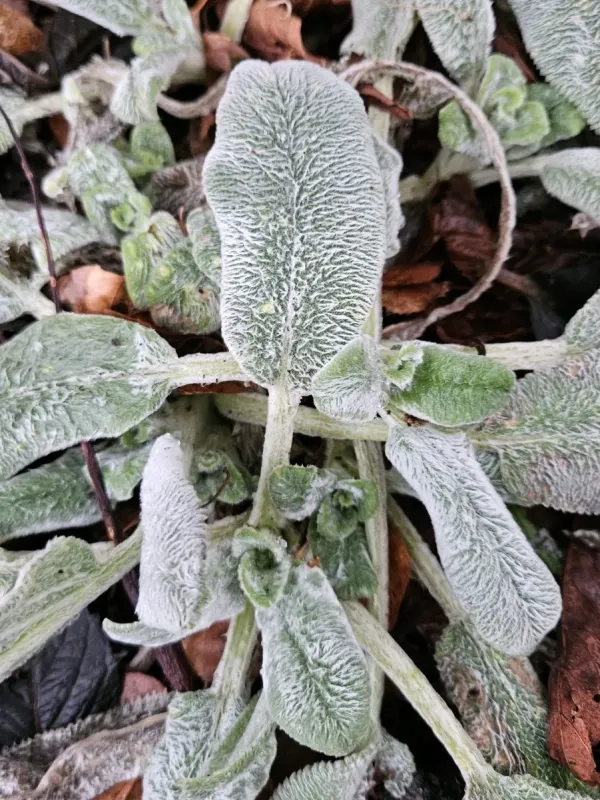
Description
Sowing dates
Stachys byzantina can be propagated by seeds sown directly in the garden in mid-spring, once the soil has warmed sufficiently. Seeds require light to germinate, so they should be pressed into the surface of the soil rather than buried deeply.
For earlier plants, indoor sowing in February or March is recommended. Use a well-draining seed-starting mix and maintain moderate temperatures to ensure steady growth before moving the seedlings outdoors.
Division is the most common and reliable method for maintaining healthy, vigorous plants. This should be done every two to three years in the spring or late summer by lifting the clump and separating it into smaller sections.
When transplanting divisions, ensure they are spaced at least 30 centimeters apart to prevent overcrowding. This allows for adequate air circulation, which is critical for preventing fungal issues within the dense foliage.
Seedlings and divisions should be kept consistently moist until they establish their root systems. Once established, they become remarkably drought-tolerant and require significantly less maintenance.
Growing requirements
Stachys byzantina is a member of the Lamiaceae family, highly prized for its soft, silver-gray foliage. It is perfectly adapted to sunny environments and thrives in conditions where other plants might struggle with heat and drought.
The plant requires full sun to partial shade and prefers sandy, poor-to-average soils. It is essential that the soil is exceptionally well-draining, as the plant is prone to root rot in soggy or heavy clay conditions.
While it is tolerant of low soil fertility, adding a light layer of compost once a year is sufficient to support healthy growth. Avoid over-fertilizing, as excess nitrogen can lead to weak, leggy stems and poor foliage color.
Watering should be done sparingly, focusing on the soil rather than the leaves. Wet leaves are susceptible to disease, so drip irrigation or bottom watering is preferred to maintain the health of the silvery foliage.
This perennial is very winter-hardy, but it benefits from protection in areas where winters are wet. Maintaining a dry crown is key to successfully overwintering the plant in colder or humid climates.
Main diseases and pests
Root rot is the most serious threat to Stachys byzantina, typically resulting from poor drainage or excessive soil moisture. Improving the soil structure with grit or sand before planting is the best preventative measure.
Powdery mildew can occur during periods of high humidity. To manage this, remove infected foliage promptly and ensure that the plants have enough space between them to allow for proper air movement.
Slugs and snails are frequent pests that damage the soft, fuzzy leaves. Using physical barriers like crushed shells or gravel around the base of the plant can discourage these pests from reaching the foliage.
Foliar leaf spots can appear if the plants are constantly kept in damp conditions. Keeping the crown of the plant dry and removing any debris from around the base will significantly lower the risk of infection.
Regular monitoring during the peak growing season helps identify potential infestations early. Hand-picking insects or using organic insecticidal soap is usually effective for minor pest outbreaks.
Harvesting
Harvesting seeds for future propagation is done by allowing the flower spikes to turn brown. Carefully clip the spikes and store them in a paper bag in a dry, cool place until the seeds are ready to be threshed.
Foliage harvesting for floral arrangements is best performed throughout the summer. Cut stems with fresh, healthy leaves and hang them in a dark, well-ventilated area to dry, which helps preserve their silvery velvet texture.
Deadheading flower spikes is a common maintenance practice. Removing the spikes before they set seed directs the plant's energy into foliage production, keeping the mound dense and compact.
Fall maintenance involves cutting back the plant to within a few centimeters of the ground. This clearing process prevents dead leaves from decaying on top of the crown during the winter, which helps avoid rot.
Always use clean, sharp shears to prevent crushing the stems or introducing pathogens into the plant tissue. Properly sanitized tools ensure that the division and pruning processes remain stress-free for the plant.