
Seidenfadenia
Seidenfadenia
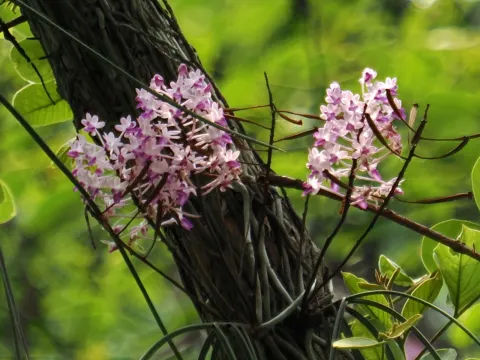
Seidenfadenia is a genus of monopodial orchids belonging to the Orchidaceae family. Known for their unique growth habit, these plants are epiphytes, typically found attached to tree trunks in the humid forests of Southeast Asia, including Thailand and Myanmar.
What the section contains

Seidenfadenia
The botanical structure of Seidenfadenia features fleshy, leathery leaves and a creeping rhizome. Their root system is highly adapted to absorb moisture from the air, making drainage and air circulation critical factors for successful indoor cultivation.
These plants thrive in bright, indirect light conditions. While they require plenty of energy to bloom, direct sunlight can easily damage their foliage. A balanced exposure in a greenhouse or near a shaded window is generally optimal for their development.
Temperature requirements involve a warm, active growing season with daytime temperatures ranging from 20 to 28 degrees Celsius. A slightly cooler period during the night, especially in winter, is beneficial to trigger the plant's flowering mechanism.
Watering must follow the natural cycle of the plant. During the active phase, frequent watering is needed, but the substrate must be allowed to dry out completely between sessions. Excessive moisture sitting in the roots will lead to fatal rot.
The primary threat to Seidenfadenia is fungal rot, usually caused by stagnant air and water trapped within the leaf axils. Providing a gentle breeze or using a small fan can significantly reduce the risk of these pathogens taking hold.
Common pests include spider mites and scale insects. These organisms thrive in dry, stagnant environments. Regular monitoring of the undersides of the leaves is essential to detect early infestations before they spread to the rest of the collection.
Integrated pest management strategies are recommended, starting with mechanical removal of visible pests followed by the application of specific horticultural oils or systemic insecticides if the infestation persists over time.
Nutrient deficiency can weaken the plant, making it more susceptible to disease. Using a balanced orchid fertilizer during the growing season helps maintain plant vigor, while flushing the roots with clear water prevents the buildup of mineral salts.
Always sterilize your pruning tools before use to prevent the transmission of viruses between plants. Maintaining a clean and aerated environment is the most effective way to protect this delicate and highly decorative orchid species.