
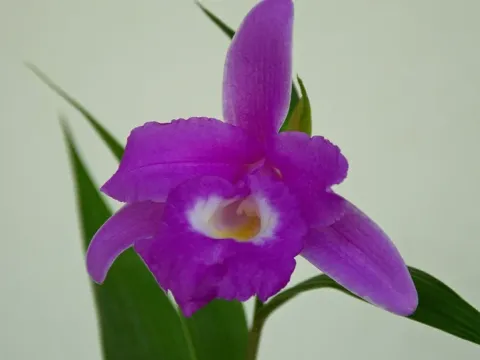
Sobralia
Sobralia
Sobralia is a prominent genus within the Orchidaceae family, native to the tropical forests of Central and South America. These orchids are highly valued in both botanical collections and specialized floriculture for their impressive, reed-like growth habit and large, showy flowers.
What the section contains


Sobralia
The culture thrives in environments that replicate tropical cloud forests, requiring bright, filtered sunlight and consistent high humidity levels. Excessive direct sunlight can damage the leaves, while insufficient light prevents the plant from producing flower buds effectively.
Soil requirements for Sobralia demand a coarse, well-aerated potting mix. A substrate consisting of bark, perlite, charcoal, and sphagnum moss is ideal for ensuring that water drains quickly while maintaining enough moisture for the roots to thrive without suffocating.
Watering management is crucial, as the plant needs to be kept consistently moist but never waterlogged. During the growing season, regular watering is essential; however, the substrate must allow for excellent airflow to the root zone to prevent decay.
Temperature control should be kept within the range of 18 to 26 degrees Celsius. Providing a slight temperature drop at night is recommended as a standard agronomic practice to promote healthy vegetative growth and increase the frequency of flowering periods.
Fungal pathogens are the primary threat to Sobralia, often caused by stagnant air and improper drainage. Root rot is the most common issue, appearing when the potting medium becomes compacted and loses its ability to circulate oxygen to the root system.
Insect pests, including spider mites and mealybugs, are frequent challenges for growers. These pests tend to colonize the plant in dry environments, making regular monitoring of the foliage and stems a necessary task for maintaining plant health.
Scale insects can also infest the canes, weakening the plant by extracting sap. Early detection is key; affected plants should be treated with appropriate contact insecticides or horticultural oils to prevent the spread of the infestation to other specimens.
Viral infections can cause chlorotic spots and stunted growth. Because these diseases are incurable, prevention through vector control (managing aphids and thrips) and maintaining strict sanitary practices in the greenhouse is the only effective defense strategy.
To mitigate these threats, maintain optimal airflow using fans and ensure that all potting components are sterile. Periodic inspection of the root system and foliage allows for early intervention, ensuring the longevity and productivity of the orchid collection.