
Robiquetia
Robiquetia
Robiquetia is a genus of monopodial epiphytic orchids belonging to the Orchidaceae family. Native to the tropical regions of Southeast Asia, including parts of India and the Philippines, these plants naturally thrive by anchoring themselves to the branches of tropical trees.
What the section contains


Robiquetia
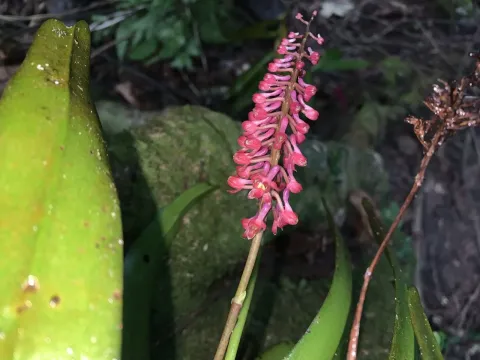
Botanically, these plants are known for their sturdy, distichous leaves and pendulous racemes of small, densely packed flowers. The architecture of the plant is typical of vanda-like orchids, requiring climbing support or specific mounting methods to mimic their natural habitat.
To successfully cultivate Robiquetia, one must maintain a high ambient humidity level, preferably between 65% and 85%. These plants prefer intermediate to warm temperatures and benefit greatly from a consistent airflow, which prevents water from stagnating in the leaf axils.
Light requirements are quite specific: the plants prefer bright, indirect sunlight. Exposure to direct midday sun can easily scorch the foliage, leading to necrosis. Providing filtered light or using artificial lighting systems is essential for promoting robust growth and annual flowering.
The potting medium must be highly porous and moisture-retentive without becoming waterlogged. A mixture of coarse bark, charcoal, and perlite is ideal for these orchids. Due to their epiphytic nature, they are often successfully grown on slabs or in open wooden baskets to ensure rapid root drying.
The most common pests affecting this culture are spider mites and mealybugs. These thrive in stagnant, dry conditions and can quickly weaken the plant by feeding on the sap, necessitating periodic inspections and the use of appropriate horticultural oils or systemic pesticides.
Root rot and crown rot represent the primary pathological risks, usually caused by overwatering or poor air circulation. If moisture persists in the core of the plant for too long, it can lead to terminal tissue death, requiring strict control over irrigation schedules.