
Rhynchostylis
Rhynchostylis
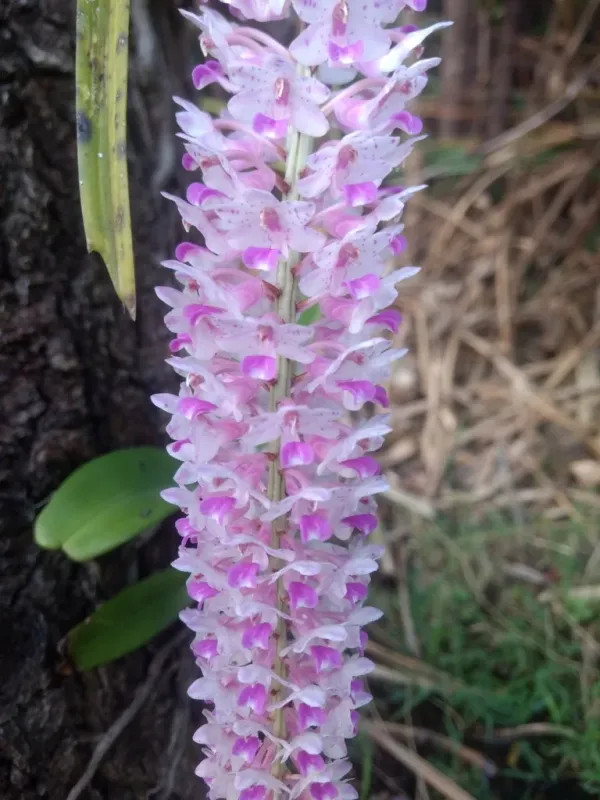
Description
Growing requirements
Rhynchostylis is a genus of epiphytic orchids belonging to the Orchidaceae family. These plants originate from the tropical regions of South and Southeast Asia, including India and Thailand, where they thrive in humid forest environments.
Botanically, Rhynchostylis is characterized by a monopodial growth habit and a robust root system capable of absorbing moisture directly from the air. The long, leathery leaves are arranged in two distinct rows along a short, sturdy stem.
For successful cultivation, high atmospheric humidity (at least 60–70%) and a stable temperature range are required. Optimal growth occurs when temperatures are maintained between 22 and 28 degrees Celsius.
The substrate must consist of a mixture of pine bark, charcoal, and sphagnum moss to ensure excellent aeration for the roots. As an epiphyte, the plant requires proper drainage to prevent root rot, which is a common issue in poorly ventilated setups.
This crop demands bright, filtered light. Direct sunlight during the middle of the day can severely burn the leaves, necessitating shading measures during the summer season to maintain plant health.
Main diseases and pests
The primary threats include bacterial and fungal rots resulting from overwatering or stagnant air. Infections spread rapidly through the succulent foliage, requiring immediate removal of affected tissue and improved environmental management.
Common pests include spider mites and scale insects, which feed on the sap of young tissues. Growers should use appropriate acaricides and insecticides in accordance with specific agricultural safety protocols.
Mealybugs are another frequent issue, often hiding in the leaf axils or deep within the root zone. Consistent visual inspections and early intervention are essential to preventing major infestations in the collection.
Viral infections, such as Cymbidium Mosaic Virus, are incurable and require the complete isolation or destruction of the infected specimen. Maintaining sterile tools is the only effective way to prevent the spread of these pathogens.
Inadequate fertilization schedules can weaken the plant's natural defenses, making it susceptible to secondary pathogens. A balanced nutrient regimen is critical for sustaining the plant's immunity and vigor throughout the year.