
Roman orchid
Dactylorhiza romana
Description
Growing requirements
The Roman orchid (Dactylorhiza romana) belongs to the Orchidaceae family. It is a perennial herbaceous plant native to the Mediterranean region, often found in Italy, the Balkans, and parts of the Middle East.
This species is not a commercial agricultural crop but a wild orchid. It requires specific ecological niches, including lime-rich grasslands and open woodlands, where it thrives under natural conditions without human intervention.
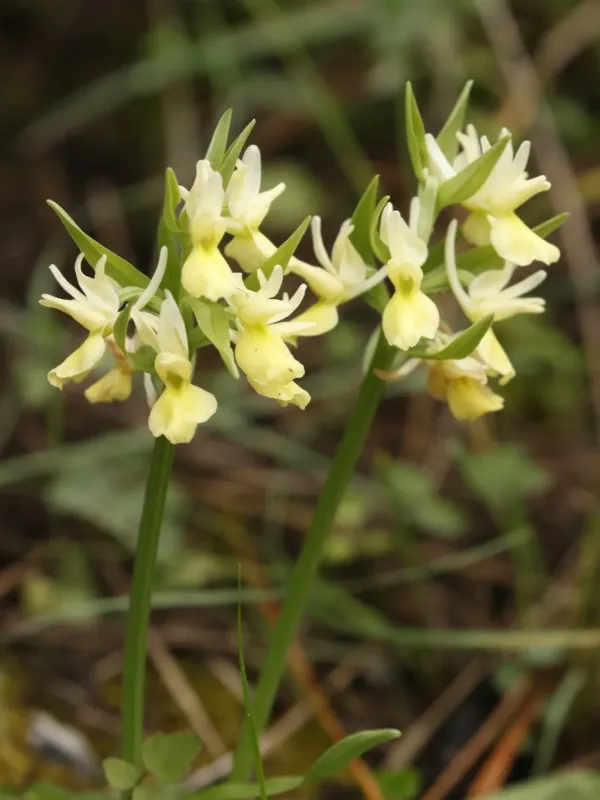
Botanically, it is characterized by two palmate tubers that store nutrients. The plant grows to a height of 15–40 cm, producing a dense inflorescence of flowers that range from yellow to purple-pink, which is a distinctive feature of this species.
The survival of this plant is strictly dependent on symbiotic relationships with specific mycorrhizal fungi in the soil. Without these fungi, the seeds cannot germinate, making standard agricultural propagation impossible.
Given its delicate nature, the Roman orchid is not cultivated for agricultural or commercial purposes. Conservation efforts are focused on protecting its natural habitats from degradation and agricultural expansion.
Main diseases and pests
Major threats to the species include land-use changes, such as the conversion of meadows into intensive croplands and the overuse of fertilizers, which alter soil chemistry and inhibit symbiotic fungal growth.
Common pests include slugs and snails, which feed on succulent leaves, as well as various insect larvae that infest inflorescences and damage the developing ovaries of the flowers.
Diseases often occur in the form of fungal root rots, particularly during seasons with excessive rainfall or poor soil drainage, which can lead to the rapid decay of the underground tubers.
Livestock grazing in areas where the Roman orchid grows causes physical damage to the stems and compaction of the topsoil, which negatively impacts the plant's root respiration.
Loss of pollinator diversity due to widespread pesticide use in adjacent agricultural fields creates a significant obstacle to seed production and long-term population viability.