
Rhynchostylis coelestis
Rhynchostylis coelestis
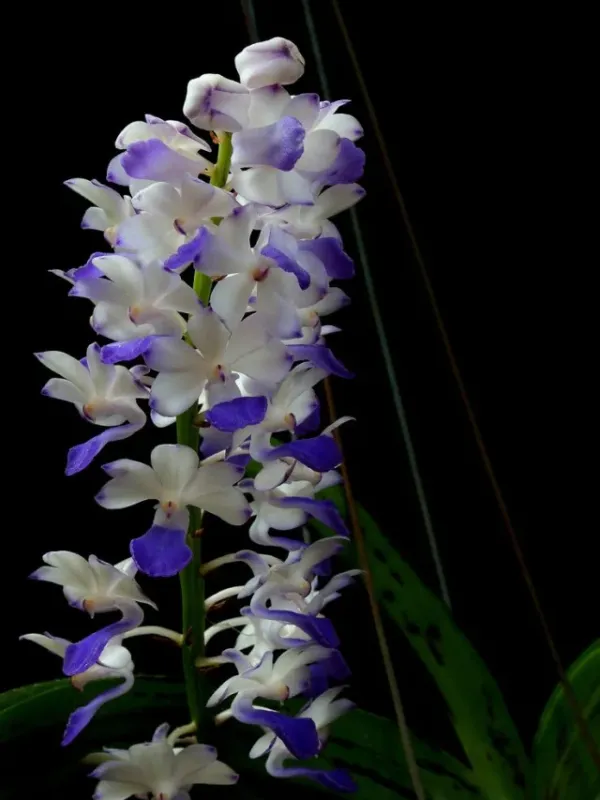
Description
Growing requirements
Rhynchostylis coelestis is a monopodial epiphytic orchid belonging to the Orchidaceae family. It originates from the tropical regions of Southeast Asia, primarily found in Thailand and Vietnam, where it thrives in humid, warm forest environments.
This species requires high ambient humidity, ideally maintained between 65% and 85%. Good air circulation is essential for the healthy development of this plant; stagnant air can lead to fungal growth, especially when humidity levels are elevated.
Temperature management is critical for optimal growth. The plant prefers warm conditions with daytime temperatures ranging from +25°C to +30°C. A moderate drop in temperature at night, down to +18°C, helps in triggering the blooming process during the season.
The potting medium must be extremely well-draining, as the roots are sensitive to waterlogging. A blend of coarse fir bark, charcoal, and perlite is recommended. This allows for excellent aeration, which is necessary to keep the thick, velamen-covered roots healthy.
Light intensity should be high but indirect. Rhynchostylis coelestis performs best with filtered morning sunlight. During the intense summer months, providing shading is crucial to prevent the leathery leaves from suffering irreversible solar damage or dehydration.
Main diseases and pests
Common pests affecting Rhynchostylis coelestis include scale insects, mealybugs, and spider mites. These pests typically congregate in leaf axils or on the undersides of leaves, draining vital fluids and weakening the orchid's overall resistance to diseases.
Bacterial and fungal rot represent the most significant threat to this culture. Conditions such as high humidity combined with poor ventilation often trigger the onset of crown rot or root rot, which can prove fatal if not identified and addressed immediately.
If rot is detected, the affected tissue must be removed using a sterilized cutting tool. After removal, the wound should be treated with a suitable fungicidal paste or cinnamon powder to prevent further infection spread and promote the healing process.
Integrated pest management (IPM) is the best strategy. Regularly wiping the leaves with a damp cloth and monitoring for sticky secretions, which often indicate the presence of sap-sucking insects, will help detect infestations in their early stages.
Preventive care also involves maintaining a strict watering schedule that allows the roots to dry out partially between waterings. Overwatering is the single most frequent cause of health decline for this species in captive agricultural environments.