
Rhynchostele
Rhynchostele
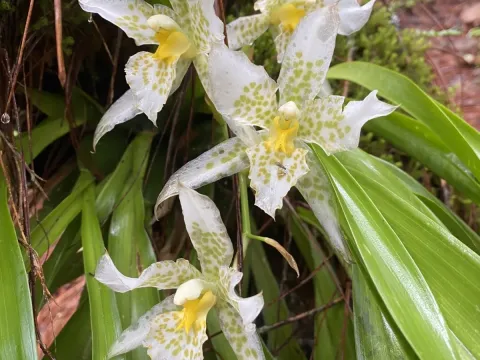
Rhynchostele belongs to the Orchidaceae family and represents a genus of sympodial epiphytic orchids. In their natural habitat, these plants grow in the mountain forests of Central America, primarily in Mexico, Guatemala, and Honduras, at altitudes ranging from 1000 to 3000 meters above sea level.
What the section contains


Rhynchostele
Botanically, the crop is characterized by densely packed pseudobulbs from which leathery leaves emerge. The flowers are arranged in multi-flowered inflorescences, often possessing a distinct fragrance and a star-like shape, making them highly valued specimens in ornamental floriculture.
For successful cultivation, it is essential to provide a cool to intermediate temperature regime that mimics their high-altitude environment. A key requirement is high humidity, maintained between 60–80%, combined with constant fresh air circulation to prevent the development of rot and fungal infections.
The growing medium for Rhynchostele must be specialized; traditional soil is strictly unsuitable. An ideal medium consists of conifer bark, charcoal, and sphagnum moss, ensuring excellent drainage and root aeration, which is critical for the survival of epiphytic species.
Cultural practices require strict adherence to lighting conditions: plants prefer bright, diffused light while avoiding direct midday sunlight. During the active growth phase, the crop should be fertilized regularly with specialized orchid fertilizers, reducing nitrogen levels as the plant approaches the blooming stage.
The primary threats to Rhynchostele include fungal diseases caused by overwatering the substrate combined with poor ventilation. Root rot and base rot of the pseudobulbs are common issues that can lead to rapid plant decline if not addressed promptly with appropriate fungicides.
Among the pests, spider mites and scale insects pose the greatest danger, as they multiply rapidly in conditions with low humidity. Regular inspection of the foliage and pseudobulbs is vital for early detection of these pests and to prevent severe infestations that could jeopardize plant health.