
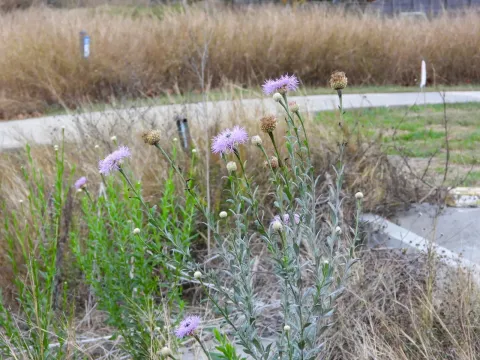
Plectocephalus
Plectocephalus
Sowing Plectocephalus in temperate climates should ideally take place in spring, once the soil has warmed to at least 10-12 degrees Celsius. For earlier flowering, seeds are often started in protected environments 6-8 weeks before transplanting outdoors.
What the section contains


Plectocephalus
When direct sowing, seeds should be planted at a depth of 1-2 centimeters to ensure proper germination and prevent desiccation of the embryo. It is critical to maintain proper row spacing of 40-50 centimeters to allow for optimal root system development.
The plant thrives in well-aerated soil, so the seedbed must be leveled carefully before sowing. Seedlings typically emerge within 10–14 days, provided that the soil moisture is maintained consistently throughout the initial germination period.
To improve germination uniformity, seeds may be subjected to short-term stratification in a cool location. The ideal planting density depends on the purpose of the crop, whether it is for ornamental displays or specific agricultural utility.
Thinning should be performed once the first two true leaves have developed, leaving only the most vigorous seedlings. Planting density must account for the plant's natural branching ability to prevent overcrowding and excessive humidity in the root zone.
Plectocephalus, a member of the Asteraceae family, has specific environmental requirements, primarily favoring sunny locations. This heliophilic plant does not tolerate shade well, as it leads to leggy growth and reduced overall ornamental quality.
The crop prefers light, loose, and fertile soils with a neutral or slightly alkaline pH. Heavy clay soils, if not properly amended, can hinder the development of the plant's taproot system, leading to stunted growth.
While the plant exhibits moderate drought tolerance, regular irrigation during dry spells is essential for prolific flowering. Excessive soil moisture must be avoided, as it frequently causes root rot and other fungal diseases.
Agronomic management includes the application of balanced mineral fertilizers at the beginning of the active growing season. Nitrogen supplementation should be limited to prevent excessive foliage growth at the expense of flower bud development.
In regions with harsh winters, Plectocephalus is typically grown as an annual crop. Its origins in South American regions indicate an adaptation to specific environmental niches and soil characteristics that should be mimicked in cultivation.
Common threats to this culture include fungal infections that thrive in high-humidity conditions. Powdery mildew can impact leaves and stems, particularly late in the season when significant diurnal temperature fluctuations occur.
Among pests, aphids are frequently observed attacking young shoots and buds by sucking the sap. Control measures involve the use of systemic insecticides or biological agents applied at the first sign of infestation.
Root rot, caused by soil-borne pathogens, presents a major threat if water drainage is poor. To mitigate these risks, strict adherence to irrigation schedules and proper soil drainage are essential for plant health.
Occasional outbreaks of thrips may occur, which damage petals and significantly decrease the market value of the crop. Monitoring pest populations during early developmental stages is key to minimizing production losses.
Weed competition is a significant challenge during the initial growth stages of Plectocephalus. Regular weeding and inter-row cultivation are essential protection practices during the first two months following emergence.