
Plectocephalus americanus
Plectocephalus americanus
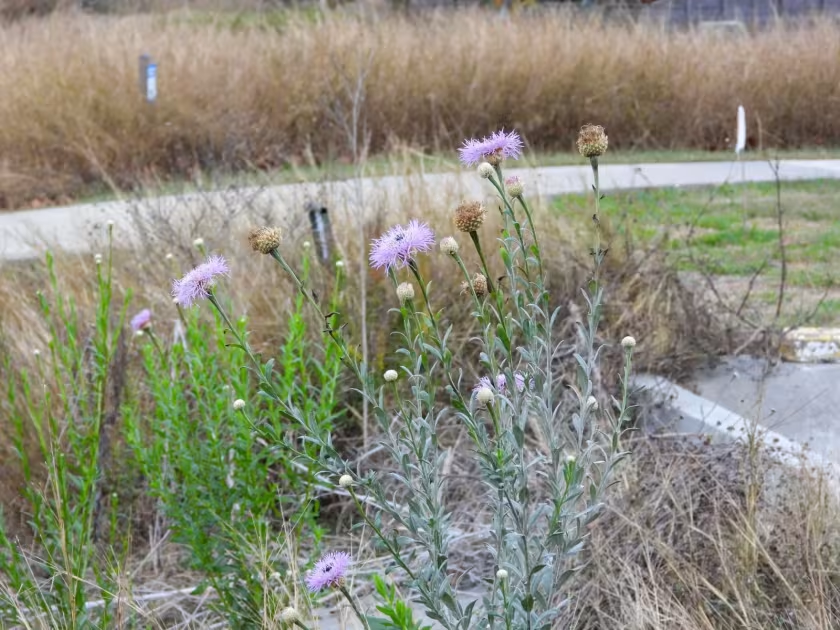
Description
Sowing dates
Plectocephalus americanus, commonly known as the American basketflower, is a robust annual species that is best established through direct seeding in early spring.
The seeds require minimal soil coverage, as depth exceeding 2 centimeters can significantly inhibit germination rates in field conditions.
For large-scale planting, it is recommended to space rows at approximately 45 centimeters to allow for optimal development of individual plants.
The crop demonstrates high germination energy, provided the soil temperature stays consistent within the range of 15 to 20 degrees Celsius.
Early sowing helps the plant establish a strong root system before the onset of the peak heat of mid-summer.
Growing requirements
As a member of the Asteraceae family, this species thrives in full sun exposure and requires well-drained soil to prevent root rot.
The plant is highly adaptable to various soil types, ranging from sandy loams to heavier clays, as long as they are not prone to waterlogging.
Climate adaptability is one of the key strengths of this species, as it is native to the prairies and resilient against periods of low humidity.
Nutrient requirements are moderate; excessive nitrogen application should be avoided to prevent leggy growth and reduced flowering performance.
Maintaining a neutral to slightly alkaline soil pH is optimal for the bioavailability of nutrients required for healthy canopy development.
Main diseases and pests
The primary threats to the crop include fungal pathogens that thrive in dense foliage where air circulation is restricted.
Powdery mildew is a common concern during seasons with high humidity fluctuations, requiring targeted fungicide management to protect the crop.
Pests such as aphids and spider mites can cause significant damage by depleting plant resources and acting as vectors for plant viruses.
Integrated pest management strategies should focus on regular field scouting to identify infestations at an early, manageable stage.
- Implementing wide row spacing to enhance airflow.
- Removing crop debris to disrupt the life cycle of overwintering pests.
- Utilizing biological controls where chemical applications are not feasible.
Harvesting
Harvesting for floral usage should be executed when the flower heads have just reached the desired stage of opening for maximum post-harvest longevity.
When collecting for seed production, flowers should be allowed to fully mature on the stem until the bracts turn brown and dry.
Seed harvest is most efficient during dry, calm weather conditions to minimize physical loss during the cleaning process.
Post-harvest conditioning involves drying the plant material in a controlled, shaded environment to prevent fungal growth on the seeds.
Proper cleaning and moisture control are essential steps for ensuring the long-term viability and storage quality of the harvested seeds.