
Plectocephalus tweediei
Plectocephalus tweediei
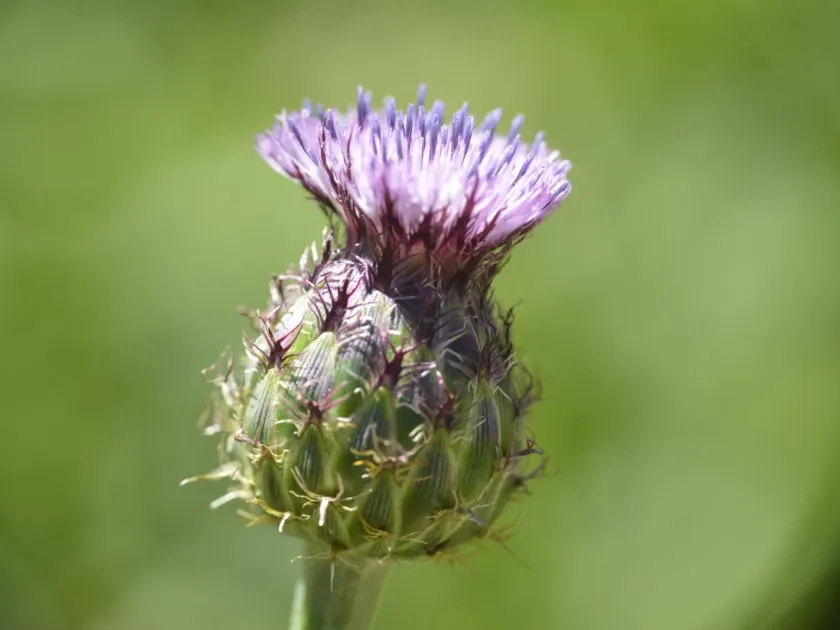
Description
Sowing dates
Sowing Plectocephalus tweediei should be scheduled for late spring when the soil has sufficiently warmed up. Ensuring a consistent temperature above 12 degrees Celsius promotes uniform germination and faster establishment.
For greenhouse production, seeds can be started indoors several weeks before the last frost. This technique ensures a head start and leads to a more robust plant before transplanting to the field.
The seeds require shallow planting, ideally at a depth of 1 centimeter, to receive sufficient light for optimal germination. Consistent soil moisture must be maintained during the first three weeks of growth.
Thinning the seedlings is necessary to ensure adequate air circulation around the base of the plant. This practice prevents the development of dampening-off diseases, which can quickly devastate young cohorts.
Proper plant spacing of 30 to 40 centimeters is recommended to reduce competition for soil nutrients and light. This layout supports the natural growth habit of the plant and simplifies irrigation tasks.
Growing requirements
As a member of the Asteraceae family, this species thrives in full sun exposure. Adequate light is crucial for the development of strong stems and vibrant, healthy flowers throughout the season.
The soil should be well-drained and slightly acidic to neutral in pH. Heavily compacted soils should be amended with organic matter to improve aeration and facilitate better root system expansion.
Irrigation management is vital; while the plant requires consistent moisture during growth, it does not tolerate waterlogged conditions. The application of water should be focused on the root zone.
Nutritional needs are met best by applying a balanced fertilizer during the early vegetative stage. As the plant enters the reproductive phase, increasing potassium levels can significantly improve bloom quality.
Climate tolerance for Plectocephalus tweediei includes a preference for moderate summer temperatures. In regions with extreme heat, supplemental mulching can help retain soil moisture and stabilize root temperatures.
Main diseases and pests
Fungal pathogens such as root rot represent the primary threat to the plant's health, particularly when soil moisture levels are poorly managed. Improving site drainage is the most effective preventive measure.
Powdery mildew can occur during periods of high humidity and poor ventilation. Keeping the area free of weeds and thinning plants regularly helps maintain the air flow necessary to discourage fungal growth.
Aphids are the most frequent insect pest for this culture, especially on tender new growth. Early detection through regular monitoring allows for targeted intervention with soaps or biological control agents.
Spider mites may become problematic during dry spells. These pests damage leaves, often leaving stippling or webbing, and should be managed by maintaining proper plant hydration and environmental humidity.
Consistent crop monitoring and sanitation practices are essential to minimize the impact of biotic stresses. Removing infected plant parts promptly reduces the inoculum load in the growing area.