
Lobivia
Lobivia
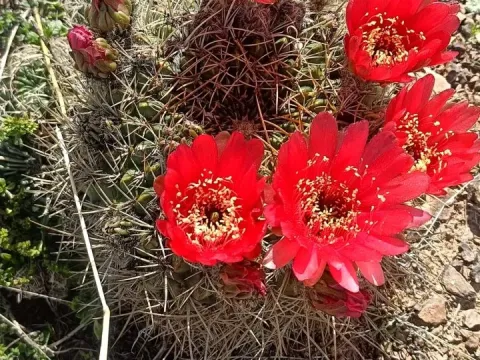
Lobivia is a genus of cacti belonging to the Cactaceae family, known for its small, globe-shaped forms and vibrant, trumpet-shaped flowers. The name is an anagram of Bolivia, reflecting its native habitat in the high-altitude Andes mountains across Bolivia, Argentina, and Peru.
What the section contains
 Lobivia ancistrophora
Lobivia ancistrophora
Lobivia ancistrophora
 Lobivia arachnacantha
Lobivia arachnacantha
Lobivia arachnacantha
 Lobivia backebergii
Lobivia backebergii
Lobivia backebergii
 Lobivia bridgesii
Lobivia bridgesii
Lobivia bridgesii
 Lobivia cinnabarina
Lobivia cinnabarina
Lobivia cinnabarina
 Lobivia ferox
Lobivia ferox
Lobivia ferox
 Lobivia mamillosa
Lobivia mamillosa
Lobivia mamillosa
 Lobivia obrepanda
Lobivia obrepanda
Lobivia obrepanda
 Lobivia schieliana
Lobivia schieliana
Lobivia schieliana
Lobivia
Botanically, these plants are highly specialized succulents. Their stems are ribbed with sharp spines, an adaptation designed to cope with the harsh, intense solar radiation and variable climates of high-elevation environments where they thrive in rocky soil crevices.
The agricultural requirements for Lobivia focus on replicating its mountainous natural habitat. This includes a high-intensity light regime, excellent ventilation, and significant fluctuations between day and night temperatures, which are critical for metabolic stimulation and healthy growth.
Soil management is essential for long-term health. The substrate must be highly mineral, composed of porous materials such as coarse sand, crushed pumice, and volcanic rock. This composition ensures rapid drainage, preventing the moisture accumulation that leads to root rot.
The primary horticultural use of Lobivia is ornamental. It is a highly sought-after plant for hobbyist collections and botanical greenhouses. Selective breeding has created numerous hybrids, valued for their ease of flowering and long-lasting, colorful blooms in shades of red, pink, and yellow.
Typical pests affecting Lobivia include the spider mite and mealybug, both of which thrive in dry, stagnant indoor conditions. Regular monitoring of the stem and areolas is necessary, with application of specific acaricides or insecticides needed upon detection of infestations.
The most significant disease threats are linked to fungal infections in the root zone. Overwatering and poor substrate aeration frequently result in rot, which can quickly destroy the plant. Effective management involves careful watering schedules, especially during the cool winter dormancy phase.