
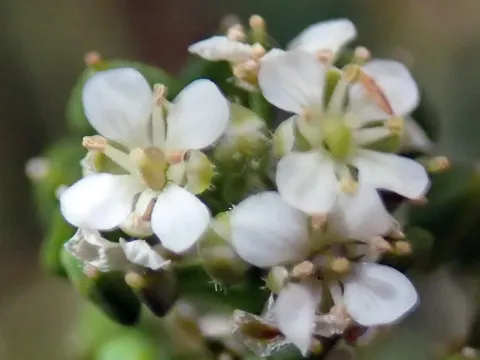
Garden cress
Lepidium
Garden cress (Lepidium sativum) is widely known for its extremely rapid growth cycle. In outdoor farming, the sowing season begins as soon as the soil temperatures reach 5–8 degrees Celsius, as the seeds are highly cold-tolerant.
What the section contains


Garden cress
To ensure a continuous supply of fresh greens, farmers practice successional sowing, planting new batches of seeds every 10–14 days. This method maximizes land productivity throughout the growing season.
For greenhouse production, Lepidium can be grown year-round. It thrives in various growing media, including high-density soil beds and hydroponic systems, which are increasingly popular for this crop.
Seeds are typically sown at a depth of 0.5 to 1 centimeter. Because the seeds are small, it is essential to keep the soil surface moist to ensure even germination and healthy sprout development.
The crop reaches harvest maturity in as little as 15–25 days after sowing. High-density planting is standard, as it helps suppress weed growth and creates a uniform canopy of harvestable greens.
Belonging to the Brassicaceae family, Lepidium prefers fertile, well-draining loamy or sandy soils. It is adaptable but performs best in neutral pH conditions where soil structure allows for rapid root elongation.
This crop prefers a temperate climate with optimal growth temperatures between 15–18 degrees Celsius. High temperatures and drought conditions trigger early bolting, causing the plant to produce flowers instead of leafy growth.
Water management is the most critical factor in Lepidium cultivation. Consistently moist soil is required to produce tender, flavorful leaves; stress from lack of water makes the leaves bitter and coarse.
Garden cress is highly light-demanding. Insufficient light results in etiolation (stretching) and poor color, which significantly reduces the marketability and nutritional value of the final product.
Agricultural management is relatively simple due to the short crop cycle. Minimal fertilization is needed if the soil is pre-enriched, as the plants have a very limited time window to uptake nutrients before harvest.
The most significant pest for the Lepidium genus is the flea beetle. These insects can devastate a young crop within days by feeding on cotyledons, leaving small characteristic holes in the leaves.
Damp conditions combined with poor ventilation can lead to fungal issues such as damping-off or powdery mildew. Ensuring adequate spacing and proper greenhouse airflow are the primary prevention strategies.
Slugs and snails can also cause damage to the tender foliage, particularly in cool, wet climates. Maintaining clean field margins and removing debris helps minimize the impact of these pests.
Due to the extremely short duration between sowing and harvest, the use of chemical pesticides is discouraged. Integrated pest management (IPM) focusing on cultural practices and biological monitoring is preferred.
Maintaining vigorous plant growth through optimal irrigation and spacing is the best defense against common diseases. Healthy, fast-growing plants are generally more resilient to incidental pest pressure.
Harvesting is performed when the plants reach 8–12 centimeters in height. It is crucial to harvest before the plant begins to produce a flower stalk, as the flavor quality diminishes rapidly once bolting starts.
The standard harvesting technique is to cut the plants at the soil level using a sharp, clean knife. This method is preferred for commercial production as it results in a clean, high-quality product.
Harvesting is best done in the early morning to ensure maximum turgor and freshness. This timing helps the produce stay crisp during storage and transportation to the market.
The harvested crop is highly perishable and should be cooled immediately. Storage at 0–2 degrees Celsius is recommended to maintain quality and extend shelf life for several days.
Garden cress is widely utilized in the culinary industry for its peppery, mustard-like flavor. It is a popular addition to fresh salads, sandwiches, and as a garnish for various gourmet dishes.