
Gravina cabbage
Brassica gravinae
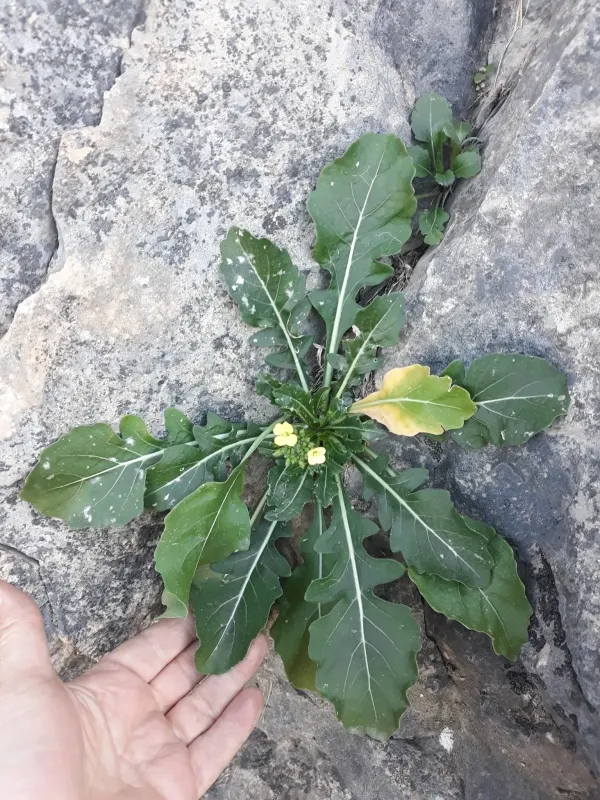
Description
Growing requirements
Gravina cabbage (Brassica gravinae) is a distinctive species within the Brassicaceae family, primarily native to the Mediterranean region, particularly southern Italy.
Botanically, it is characterized by its adaptability to limestone-rich soils, preferring well-drained conditions that prevent waterlogging and subsequent root issues.
In terms of climate, this plant thrives in moderate environments where temperatures remain stable, avoiding the extreme heat often found in open fields during peak summer months.
The cultivation process requires diligent soil preparation, ensuring the ground is friable and nutrient-rich, which promotes robust vegetative development of the plant's rosette.
Standard agronomic practices for this species focus on consistent hydration and careful weeding, as the plant can be sensitive to competition from aggressive weed species during its early growth phases.
Main diseases and pests
The primary threats to Brassica gravinae include flea beetles, which target young leaf tissue and can rapidly impact the plant's photosynthetic capacity if not controlled.
Pathogens such as Plasmodiophora brassicae (clubroot) pose a significant risk to the root system, necessitating strict adherence to crop rotation cycles to maintain soil health.
Excessive humidity can encourage the growth of mildew and other fungal diseases, making proper spacing and ventilation of the planting area essential for successful harvests.
Integrated Pest Management (IPM) strategies are highly recommended, utilizing a combination of biological controls and regular field monitoring to detect early signs of infestation.
Chemical control, if necessary, should be applied with precision to minimize impact on beneficial insects, ensuring that the ecological balance of the growing site remains intact.