
Virginia pepperweed
Lepidium virginicum L.
Description
Sowing dates
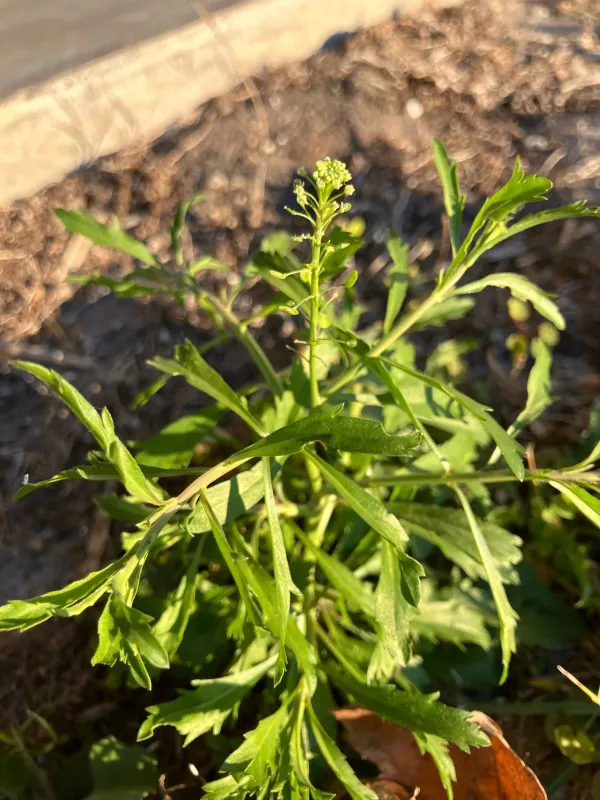
Virginia pepperweed is an herbaceous annual or biennial plant belonging to the Brassicaceae family. Its life cycle begins with seed germination, which primarily occurs in early spring, though fall germination is also possible, leading to the formation of an overwintering rosette.
Following the rosette stage, the plant rapidly transitions to stem elongation, producing branched inflorescences that reach heights of 30 to 60 centimeters. This fast growth allows the plant to emerge early in the season and compete effectively with spring-sown crops.
Propagation is entirely seed-based, with the plant displaying high reproductive potential. A single, mature plant can produce a vast number of seeds, which are easily dispersed by wind, water, and farm machinery, often facilitating the colonization of new agricultural areas.
Seeds of Lepidium virginicum are known for their persistence in the soil seed bank. They can remain viable for several years, ensuring that infestations recur even after the current year's plants have been removed or suppressed.
In agricultural settings, the plant's rapid life cycle often coincides with the germination and early growth of cereals and oilseeds. Effective management requires monitoring these emergence periods to prevent the weed from establishing a dominance in the field.
Growing requirements
This species exhibits high ecological plasticity, allowing it to thrive in a variety of soil types ranging from sandy loams to heavy clays. It generally prefers open, sunny environments, as it is shade-intolerant and suffers reduced growth in competition for light.
Virginia pepperweed is relatively drought-tolerant but reaches maximum biomass in moist conditions during the early growth stages. It is often found in disturbed sites, such as roadside verges, fallow fields, and near farm infrastructure, where soil has been recently turned.
The plant is not particularly demanding regarding soil fertility; it can extract nutrients efficiently even from poor or degraded soils. However, increased availability of nitrogenous nutrients will typically result in more robust plants and higher seed yields.
The optimal soil pH for this species falls between 6.0 and 7.5. It does not tolerate waterlogged or anaerobic conditions, which serve as a natural barrier to its expansion in poorly drained or marshy agricultural areas.
Temperature range tolerance is broad, as the plant can withstand both early spring frost and mid-summer heat. Its ability to adapt to varying climates makes it a common weed across diverse geographic and agricultural zones.
Main diseases and pests
As a member of the mustard family, Virginia pepperweed acts as a host for various agricultural pests and pathogens. Crucial pests such as flea beetles and cabbage aphids frequently use this weed as a refuge before migrating to commercial brassica crops.
The plant can also harbor diseases, including downy mildew and various bacterial infections common to cruciferous plants. These pathogens can easily spread from the weed to cultivated fields, increasing the need for fungicide applications.
Integrated pest management (IPM) strategies emphasize the mechanical removal of this weed before it reaches the flowering and seed-setting stages. Mowing or cultivation at the rosette stage is highly effective at depleting the plant's energy reserves.
Chemical control strategies utilize selective herbicides that target broad-leaved weeds. Because the plant grows rapidly, timing the application during the early vegetative phase is critical to ensure high mortality rates and prevent seed production.
Maintaining a high level of field hygiene and cleaning farm equipment between fields helps prevent the spread of its seeds. Continuous monitoring and rotation with competitive crops can also suppress its growth by limiting light availability.