
Broad-leaved pepperweed
Lepidium latifolium L.
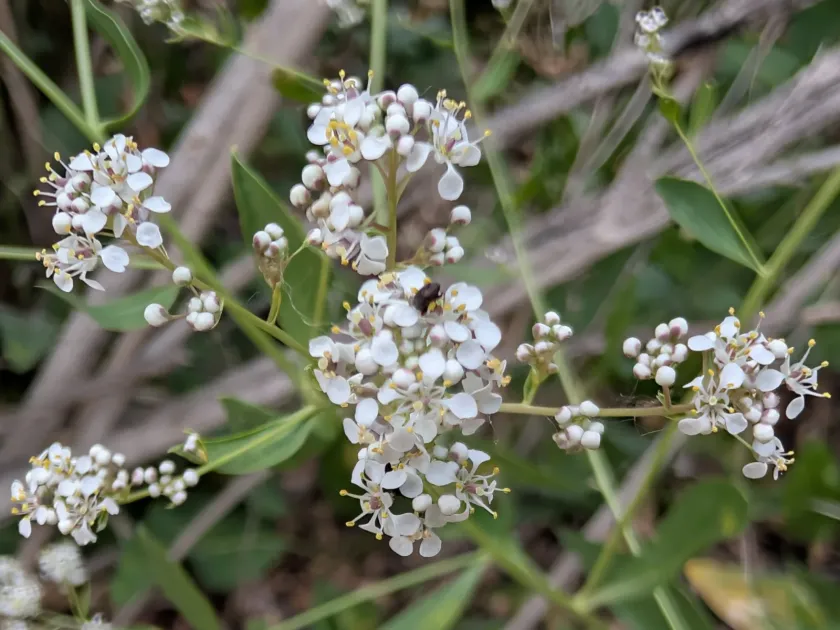
Description
Sowing dates
Broad-leaved pepperweed (Lepidium latifolium) is a perennial herbaceous plant belonging to the Brassicaceae family. In agricultural practices, it is propagated either by seeds or vegetatively through root cuttings, which exhibit high regenerative potential.
Sowing in open ground is typically performed in early spring as soon as the soil warms up to 5–8 degrees Celsius, or alternatively, it can be sown in late autumn. Seeds should be buried to a depth of no more than 1–2 centimeters, as they require good contact with moist soil for optimal germination.
For vegetative propagation, root segments are planted in prepared furrows at a depth of 10 centimeters. This method is preferred for establishing production plots quickly, allowing for a harvest of leafy greens within the first year of growth.
Spacing between rows should be maintained at 45–60 centimeters to provide adequate room for plant development and to facilitate mechanized or manual field maintenance. Overcrowded plantings often result in stunted leaves and premature bolting.
To ensure a continuous supply of fresh produce throughout the growing season, staggered sowings are implemented every 15–20 days. Maintaining consistent soil moisture during the emergence stage is critical for successful crop establishment.
Growing requirements
Broad-leaved pepperweed is a resilient plant that thrives in sunny locations with fertile loamy or sandy soils. It shows remarkable tolerance to moderately saline soils, making it a potentially valuable crop for regions with difficult soil conditions.
The optimal temperature for active vegetative growth ranges from 18 to 22 degrees Celsius. Being a winter-hardy species, it can successfully overwinter in the soil without the need for additional protective covering, even in colder climates.
Sufficient moisture is essential for producing tender, succulent leaves. Prolonged drought conditions cause the foliage to become fibrous and develop a sharp, bitter taste due to the accumulation of volatile essential oils.
The plant responds favorably to organic amendments like compost or well-rotted manure incorporated during soil preparation. Supplemental nitrogen fertilization at the beginning of the growing season accelerates the production of biomass.
Waterlogged sites and areas with a high water table should be avoided, as stagnant water increases the risk of root rot and inhibits the overall development of the plant's foliage.
Yield
The average yield of broad-leaved pepperweed ranges from 15 to 25 metric tons per hectare under intensive cultivation technology. Actual results depend heavily on soil fertility, moisture management, and the frequency of harvests.
In the first year after planting, yields are typically lower as the plant invests energy into building its root system. In subsequent years, with proper management and fertilization, the yield potential increases significantly.
Under favorable conditions, growers can perform 3–4 harvests of fresh leaves per growing season. Each cutting stimulates the plant to sprout new rosettes, maintaining the continuity of production.
The implementation of irrigation systems can increase productivity by 30–40 percent compared to dryland farming. Consistent water availability is the primary factor in maximizing both the quality and quantity of the harvest.
For large-scale operations, mechanized harvesting at a height of 5–7 centimeters from the soil surface is recommended. This avoids damage to the plant's crown, ensuring rapid regrowth for subsequent harvesting cycles.
Main diseases and pests
Like many members of the Brassicaceae family, broad-leaved pepperweed is susceptible to flea beetle attacks. These pests can rapidly damage young seedlings by creating numerous small holes in the leaves, which may significantly reduce yield if not managed.
In high-humidity environments and dense plantings, downy mildew (peronospora) can occur. Prevention strategies include ensuring proper airflow between plants and removing surrounding weeds that could act as infection reservoirs.
Occasional infestations of cabbage white butterflies or moth larvae may also be observed. Integrated pest management, including the use of biological insecticides, is highly recommended to control these pests while ensuring food safety.
Root rot becomes a significant issue when crop rotation is ignored or when fields are consistently over-irrigated. A rotation cycle of at least 3–4 years, avoiding other Brassicaceae crops as predecessors, is strongly advised.
Utilizing companion plants or repellents along the field edges can help naturally reduce pest pressure, thereby minimizing the need for chemical interventions and lowering production costs.
Harvesting
Harvesting begins at the rosette stage, when leaves reach a length of 15–20 centimeters. This is the optimal window for harvesting to ensure the best flavor profile and culinary quality of the leaves.
The harvest should take place in the early morning hours, after the dew has evaporated but while the plants remain turgid. Freshly cut greens are highly perishable and should be cooled immediately after harvest.
For storage, the produce should be placed in perforated bags or containers and kept at temperatures between 0 and 2 degrees Celsius with high relative humidity. Proper cooling slows down the respiration rate and maintains freshness.
When harvesting for seed, the pods are collected upon full maturity. They are bundled and dried under shelter, followed by threshing and cleaning to ensure the production of high-quality seeds for the next sowing cycle.
Timely harvest is critical to prevent the plants from bolting. Once the plants transition into the flowering stage, the leaves lose their tenderness, become woody, and develop an excessively sharp and bitter flavor.