

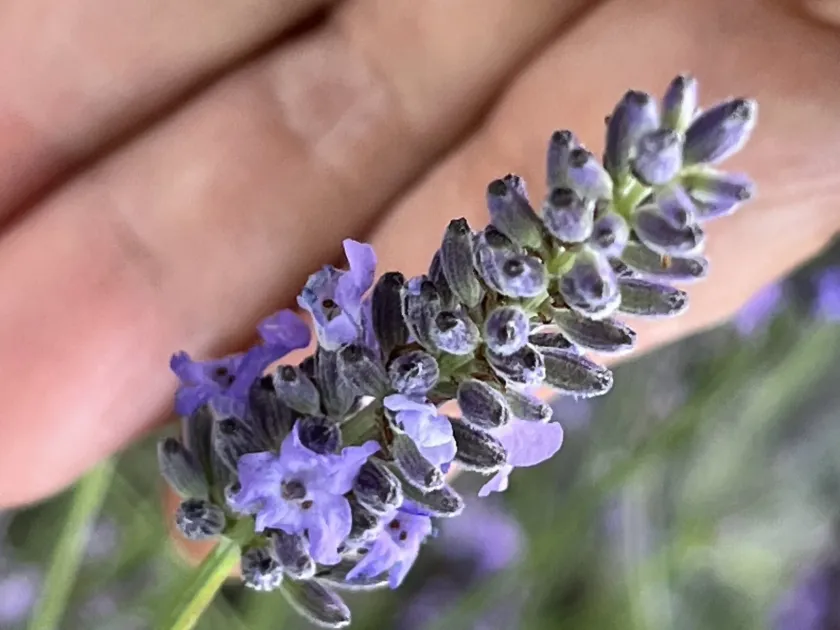
Description
Sowing dates
English lavender (Lavandula angustifolia Mill.) is a perennial evergreen subshrub belonging to the Lamiaceae family. In commercial agriculture, vegetative propagation via cuttings is the preferred method, as it ensures genetic uniformity and maintains specific cultivar characteristics.
For seed propagation, sowing is typically done in late autumn to allow for natural stratification, which is essential for uniform germination. In professional nurseries, seeds are sown in greenhouse conditions during early spring, and seedlings are transplanted once the risk of frost has passed.
For industrial plantations, spacing is critical for both airflow and mechanical maintenance. Typical planting patterns utilize row spacing of 1.2 to 1.4 meters, with individual plants placed 40–50 centimeters apart to provide enough space for root system development.
Lavender is a long-lived crop; with proper management, a plantation can remain highly productive for 15 to 20 years. The initial years of growth are dedicated to establishing a robust root system, during which time meticulous weed control is essential for the crop's success.
Originating from the Mediterranean region, the plant thrives in environments with warm, dry summers and moderate winters. Its adaptation to rocky, calcareous soils has made it a resilient crop for various temperate climate zones around the world.
Growing requirements
Lavender is a heliophilic plant, requiring full sun exposure to thrive. Any degree of shade can lead to leggy, weak growth and a significant reduction in essential oil production, which is a vital component of the plant's economic value.
The soil must be well-draining, with a neutral to slightly alkaline pH level. Lavender is highly sensitive to waterlogging, which promotes root rot; therefore, planting on slopes or elevated beds is recommended to ensure optimal drainage and aeration of the soil.
Agricultural practices include regular weeding and inter-row cultivation to keep the soil porous. While lavender is drought-tolerant once established, supplementary irrigation may be necessary in the first year or during extreme drought periods to ensure plant vigor.
Pruning is a fundamental aspect of lavender cultivation. Annual pruning, typically performed after flowering, helps maintain a compact, bushy habit, prevents woody stems from becoming bare, and encourages the growth of new, oil-rich floral stalks.
Soil fertility management should focus on balanced nutrient levels. Excessive nitrogen application should be avoided, as it encourages excessive vegetative growth at the expense of flowering and essential oil content, potentially reducing the plant's hardiness.
Yield
The yield of Lavandula angustifolia is measured both in terms of biomass and essential oil quantity. A mature, well-managed plantation can yield between 3 and 6 tons of fresh inflorescences per hectare, depending on local conditions.
Essential oil content typically ranges from 1.5% to 3% by dry weight. The quality of the oil, characterized by the concentration of linalool and linalyl acetate, is highly influenced by the intensity of sunlight and the weather conditions during the maturation phase.
Production peaks between the 5th and 10th years of the plantation's life. After this stage, yields gradually decline, prompting growers to either undertake intensive rejuvenation pruning or rotate the field by replanting with fresh, disease-free nursery stock.
Beyond essential oil production, the crop is widely used in the pharmaceutical industry and perfumery. Dried flower buds are also valuable in the culinary sector, for herbal tea blends, and as a staple in the booming dried-flower and eco-tourism markets.
The extraction process primarily utilizes steam distillation to preserve the volatile compounds. The resulting byproduct, a floral water or hydrosol, is a high-value secondary product used extensively in skin care and cosmetic manufacturing.
Main diseases and pests
Gray mold (Botrytis cinerea) is one of the most common fungal diseases, particularly in humid or overcrowded conditions. Management involves ensuring sufficient plant spacing and timely harvesting to prevent the buildup of moisture in the canopy.
Root rot, often caused by pathogens like Phytophthora, is a persistent threat in poorly drained soils. Maintaining proper drainage and avoiding excessive water application are the primary strategies for preventing these devastating soil-borne infections.
Pests such as the lavender leaf beetle and various species of cicadas can damage leaves and shoots, weakening the plant. Integrated pest management strategies, including the use of biological control agents, are preferred to maintain the organic status of the crop.
Weed infestation presents a major threat not only through resource competition but also by acting as a host for viruses. Keeping the fields clean is crucial for maintaining the long-term health and vigor of the entire lavender plantation.
Early detection of diseased plants is critical. Any specimen showing signs of wilting, yellowing, or abnormal growth should be immediately removed and destroyed to prevent the spread of pathogens throughout the rest of the field.
Harvesting
The harvest timing is the most critical factor influencing oil quality. The optimal window is when approximately 50% to 70% of the flowers on the spikes have opened; at this stage, the essential oil glands are at their maximum development.
Commercial harvesting is carried out using specialized mechanical harvesters that trim the spikes at the required height. This automation allows for the efficient processing of large plantations within the limited peak-bloom timeframe.
Efficiency in logistics is paramount, as harvested material should be transported to the distillery quickly to minimize evaporation and spoilage. Fresh material left in piles for too long will ferment, which significantly degrades the quality of the essential oil.
For high-end floral applications, such as bundles for decoration, manual harvesting with sharpened sickles is preferred. These stems are dried in cool, shaded, and well-ventilated areas to retain their vibrant color and intense, fresh scent.
Post-harvest care involves clearing debris from the field and loosening the soil to allow the plants to recover before winter. Proper preparation ensures that the lavender remains strong and enters the dormancy period with sufficient stored energy.
Content graph
Connections · English lavender
Most often together:
Marketplace