
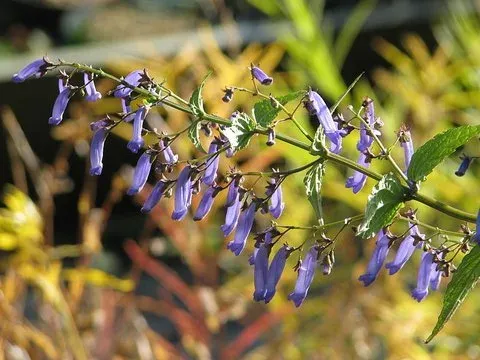
Isodon
Isodon
Sowing of Isodon is typically performed in early spring once the soil temperature consistently reaches 10–12 degrees Celsius. The seeds are very fine and require shallow placement or light pressing into the substrate, as they need exposure to light for successful germination.
What the section contains
 Isodon coetsa
Isodon coetsa
Isodon coetsa
 Isodon effusus
Isodon hispidus
Isodon hispidus
Isodon effusus
Isodon effusus
Isodon hispidus
Isodon hispidus
 Isodon inflexus
Isodon inflexus
Isodon inflexus
 Isodon japonicus
Isodon japonicus
Isodon japonicus
 Isodon longitubus
Isodon ramosissimus
Isodon ramosissimus
Isodon rubescens
Isodon rubescens
Isodon longitubus
Isodon longitubus
Isodon ramosissimus
Isodon ramosissimus
Isodon rubescens
Isodon rubescens
 Isodon trichocarpus
Isodon trichocarpus
Isodon trichocarpus
 Isodon umbrosus
Isodon umbrosus
Isodon umbrosus
Isodon
In commercial cultivation, the transplanting method is preferred to ensure a higher survival rate and uniform growth. Seeds are started indoors in greenhouses during March, maintaining a stable humidity and a temperature of approximately 20 degrees.
When sowing directly into the field, it is crucial to follow spacing protocols, leaving rows 40–50 centimeters apart. This spacing allows sufficient room for root system development and facilitates mechanical weed control throughout the season.
Cold stratification is a vital step for Isodon seeds, simulating the natural winter conditions needed to break dormancy. Before sowing, seeds should be kept in a cool environment for several weeks to maximize the germination percentage.
Post-emergence thinning should be carried out once the seedlings are strong enough, maintaining a distance of 25–30 centimeters between individual plants. Proper density is essential for achieving high yields of the target secondary metabolites.
Isodon is a genus belonging to the Lamiaceae family, encompassing various perennial herbs and subshrubs. The plant is native to the mountainous regions of Asia, with significant biodiversity found in China and Japan.
The crop thrives in well-drained, fertile soils with a neutral to slightly acidic pH level. Waterlogging in the root zone is extremely detrimental, so heavy clay soils require artificial drainage or the construction of raised beds.
Isodon prefers moderate light levels and can tolerate partial shade; however, under direct sunlight, it shows its best vigor if moisture levels are strictly managed. High light intensity is often correlated with increased levels of active pharmaceutical ingredients.
The plant has specific humidity requirements and performs best in regions with mild, stable climates. Severe temperature fluctuations and harsh winds can stunt growth and significantly reduce overall field productivity.
Regular fertilization with complex mineral fertilizers is necessary during the active vegetative growth phase, particularly with nitrogen-focused nutrients in early summer to support robust leaf development.
The primary economic use of Isodon lies in its medicinal properties, specifically the accumulation of diterpenoids like oridonin. Crop efficiency is measured by the total dry biomass harvested from a given area.
Maximum concentration of bioactive compounds is typically found in plants aged two to three years. Intensive management practices allow for multiple harvests during a single season provided that the cutting height is maintained.
Yield stability depends heavily on the genetic quality of the planting stock and adherence to specific agrotechnical regimes. A well-maintained Isodon field can remain productive for 5 to 7 years.
Harvesting is performed either manually or with specialized machinery, which must be calibrated to avoid damaging the delicate stems. The ideal time for harvest is the peak flowering stage, when the secondary metabolite content is at its highest.
Harvested material must undergo immediate drying to prevent fermentation, which destroys the delicate active components. Drying temperatures must be kept below 45 degrees Celsius to preserve essential oils and volatile compounds.
Common diseases in Isodon cultivation include fungal pathogens like root rot and powdery mildew, which thrive in high-humidity conditions. Prevention relies on proper irrigation control and sufficient spacing to ensure airflow.
Pests such as aphids and spider mites pose the greatest threat, often colonizing young shoots during dry spells. Biological control agents or systemic insecticides are recommended if applied strictly before the flowering initiation.
Pathogen outbreaks are frequently linked to poor crop rotation practices. It is strongly advised not to replant Isodon on the same land for at least four years to disrupt the life cycle of soil-borne diseases.
Slugs and snails can cause severe damage to juvenile plants during the early spring season. Consistent field weeding and maintenance of clean inter-row spaces reduce habitats for such pests.
Regular field scouting is mandatory, with weekly inspections for leaf discoloration, spots, or deformations. Early detection allows for localized intervention and prevents the spread of infection throughout the entire crop.
The primary harvesting technique involves cutting the stems 10–15 centimeters above the soil surface. This height is critical as it encourages rapid regrowth of new shoots for subsequent cycles.
To maintain high-quality herbal raw material, harvesting must be done during dry weather conditions, avoiding any morning dew. Wet plant material spoils rapidly during transit and loses its potency.
Immediately after cutting, the material undergoes sorting to remove weed contaminants, yellowing foliage, and parts damaged by insect activity.
Transportation to the processing facility should be handled in ventilated containers to prevent self-heating of the biomass. Minimizing the time between cutting and drying is essential for preserving the chemical integrity of the crop.
Processed and dried Isodon should be stored in airtight containers within a dark, cool, and dry storage environment. This protects the final product from moisture, light exposure, and potential pest infestation.