
Isodon coetsa
Isodon coetsa
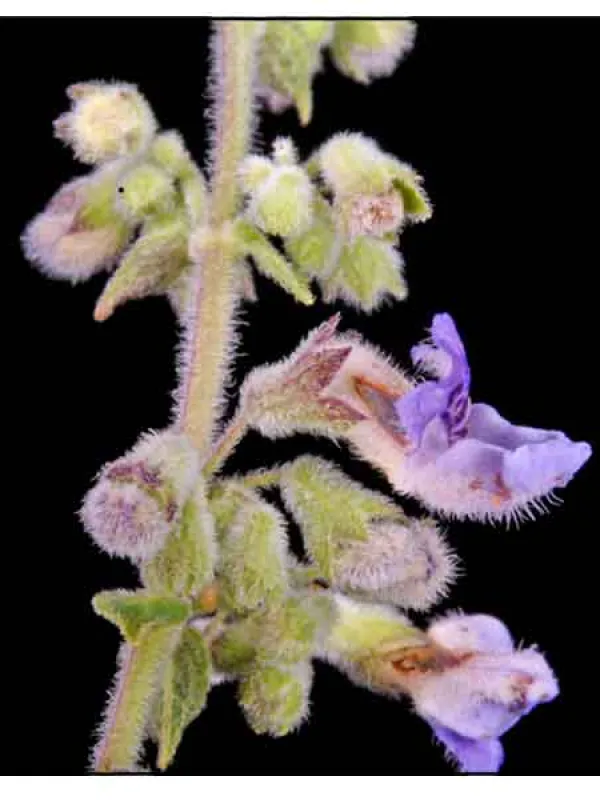
Description
Growing requirements
Isodon coetsa is a perennial herbaceous plant belonging to the Lamiaceae family, closely related to various mint and sage species. It is recognized for its robust growth habit and its chemical profile, which is highly valued in pharmacological research due to the presence of specific diterpenoids.
The native range of the species extends across the temperate and subtropical regions of Asia, primarily found in mountainous zones and hillside forests. In cultivation, it thrives in environments that mimic its natural habitat, requiring well-drained soil and plenty of indirect sunlight for optimal photosynthesis.
Soil requirements involve a preference for neutral to slightly acidic pH levels. The plant performs best in loose, sandy-loam structures that allow for efficient drainage, as waterlogged conditions often lead to rapid decline and mortality of the rootstock during the initial growth phases.
Climate adaptability is a significant factor, with the plant preferring temperate conditions with sufficient moisture during the active vegetative growth phase. Extreme temperature swings can hinder development, making it essential for cultivators to monitor micro-climates when growing in open fields.
Economically, Isodon coetsa is cultivated for its bioactive properties. Its extract is utilized in experimental medicine for its potential antioxidant and antibacterial effects, making it a crop of interest for sustainable agricultural producers focusing on medicinal herbs and high-value botanical extracts.
Main diseases and pests
Pathogen susceptibility in Isodon coetsa is largely tied to moisture management. Fungal infections, including leaf spot and various types of mildew, are the most common threats that manifest when humidity levels remain high for extended periods, especially during cloudy weather cycles.
Pest pressure often originates from common sap-sucking insects like aphids and spider mites. These pests tend to colonize the undersides of leaves, and if left unchecked, they can lead to leaf chlorosis, stunted growth, and a decrease in the concentration of the desired secondary metabolites.
Root system health is vital for the survival of the plant. Pathogens such as Pythium or Fusarium can invade the root zone under conditions of poor soil aeration or excess irrigation, leading to systemic wilting that is often irreversible once visible symptoms appear in the foliage.
Strategic planting, specifically ensuring adequate spacing between individual plants, is a key mitigation technique against airborne fungal spores. Good airflow helps dry the leaf surfaces quickly after rain or irrigation, significantly reducing the probability of pathogen colonization.
Management of pests and diseases should rely on cultural practices and biological controls to maintain the purity of the final product. Using resistant cultivars and maintaining strict soil hygiene are the most effective ways to ensure a healthy harvest without relying on heavy chemical interventions.