
Isodon longitubus
Isodon longitubus
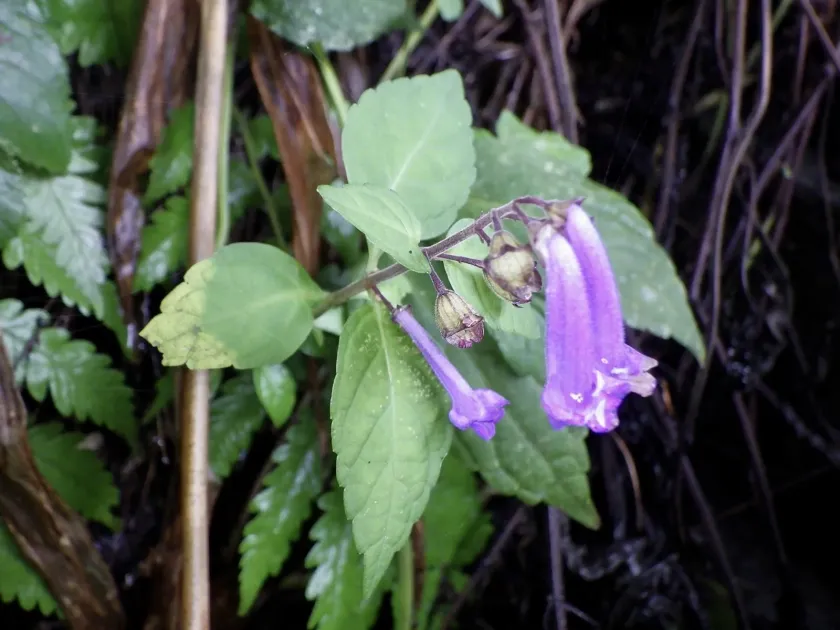
Description
Sowing dates
Sowing Isodon longitubus is best performed in the spring once the soil temperature consistently reaches 10–12 degrees Celsius. In many temperate regions, late April is considered the ideal time to ensure seeds receive the necessary warmth for uniform germination.
Starting seeds in a controlled greenhouse environment in early March is highly recommended for commercial production. This method allows for the hardening of seedlings before transplanting them into open fields once the risk of late spring frosts has completely passed.
Seeds are tiny and should be sown at a shallow depth of approximately 0.5 to 1 centimeter. Covering them with a very thin layer of fine soil or vermiculite helps maintain adequate moisture levels while allowing sufficient light for the germination process.
Field spacing should be carefully planned to accommodate both plant growth and maintenance machinery. A common practice involves setting rows 50–60 centimeters apart with 30-centimeter intervals between individual plants to promote airflow.
Following sowing, it is essential to keep the seedbed consistently moist but not waterlogged. Using a fine-mist sprinkler system prevents the disturbance of the shallowly sown seeds while ensuring they have the moisture needed to break dormancy.
Growing requirements
Isodon longitubus belongs to the Lamiaceae family, which typically demands well-drained, fertile soil with a neutral to slightly acidic pH. The plant thrives best in areas that offer good structural integrity to support its upright growth habits.
Sunlight requirements are significant; for optimal biomass production, Isodon should be planted in locations receiving full sun for the majority of the day. Partial shade can be tolerated in extremely hot, arid regions to prevent leaf scorching.
The moisture regime must be balanced. While the plant requires regular irrigation during active growth, excessive soil saturation is detrimental to root health. Implementing a raised bed system can significantly improve drainage in areas prone to heavy clay or water retention.
Temperature management is crucial, as the plant prefers moderate climates with average temperatures ranging between 20 and 25 degrees Celsius. Extreme heat or prolonged frost can lead to physiological stress, affecting the plant's overall development.
A consistent fertility program is beneficial for yield. Applying balanced organic compost before planting and supplementing with nitrogen-based fertilizers in the early stages of development encourages the production of lush, harvestable foliage.
Yield
The economic value of Isodon longitubus is primarily linked to its concentration of specific diterpenoids. With proper management and high-quality agronomic practices, yields can reach 15–20 decitonnes per hectare of dried biomass.
The peak harvesting phase coincides with the early blooming stage. During this period, the plant maximizes the synthesis of secondary metabolites, ensuring the highest possible pharmacological quality of the raw material.
Under favorable growing conditions and consistent irrigation, it is possible to achieve two harvests per season. The final harvest should be timed to allow the plant enough time to recover before the onset of dormancy in the late autumn.
Consistent productivity is dependent on field rotation and soil health management. Alternating the crop with legumes or other green manures ensures that the soil remains nutrient-dense and physically structured for optimal root health.
Post-harvest processing, particularly rapid and controlled drying, is essential for maintaining yield quality. Ensuring moisture levels drop below 12% quickly helps prevent degradation of the plant's active constituents during storage.
Main diseases and pests
Common pests, including aphids and spider mites, pose a significant threat during periods of hot, dry weather. These insects can quickly colonize the undersides of leaves, draining sap and causing stunted, unhealthy growth.
Fungal pathogens such as root rot and powdery mildew are significant concerns in high-humidity or poorly ventilated environments. Proper field spacing and weed control are the most effective preventative strategies to minimize disease outbreaks.
Integrated Pest Management (IPM) is the preferred approach to maintaining crop health. Using biological controls such as predatory mites or insecticidal soaps allows for effective pest suppression while preserving the integrity of the herbal medicine.
Environmental stress, particularly waterlogging, significantly increases susceptibility to soil-borne fungi. Monitoring soil moisture closely and adjusting irrigation schedules based on weather patterns is critical for long-term plant viability.
Regular field scouting is essential to identify infestations early. Removing infected plant parts manually can prevent the rapid spread of localized infections throughout the entire plantation.
Harvesting
Harvesting is usually performed by cutting the aerial parts of the plant at approximately 10–15 centimeters above the soil surface. This clean cut is vital to encourage regrowth for secondary harvests or to promote healthy overwintering.
Care must be taken during the harvesting process to prevent the biomass from heating up. Collected plant material should be moved immediately to a shaded, well-ventilated area to stop enzymatic reactions that destroy active compounds.
Sorting the crop directly in the field is recommended to remove debris, weeds, and damaged foliage. Bringing only clean, healthy biomass to the drying facility significantly improves the efficiency of post-harvest operations.
Mechanical harvesters with adjustable blades can improve labor efficiency but must be calibrated carefully to ensure the height of the cut does not damage the crown of the plant, which is the site of regeneration.
Once dried to the correct moisture content, the final herbal product should be stored in cool, dark, and dry conditions to maintain its therapeutic potency and prevent the loss of essential plant oils and active components.