
Hyssop-leaved selfheal
Prunella hyssopifolia
Description
Growing requirements
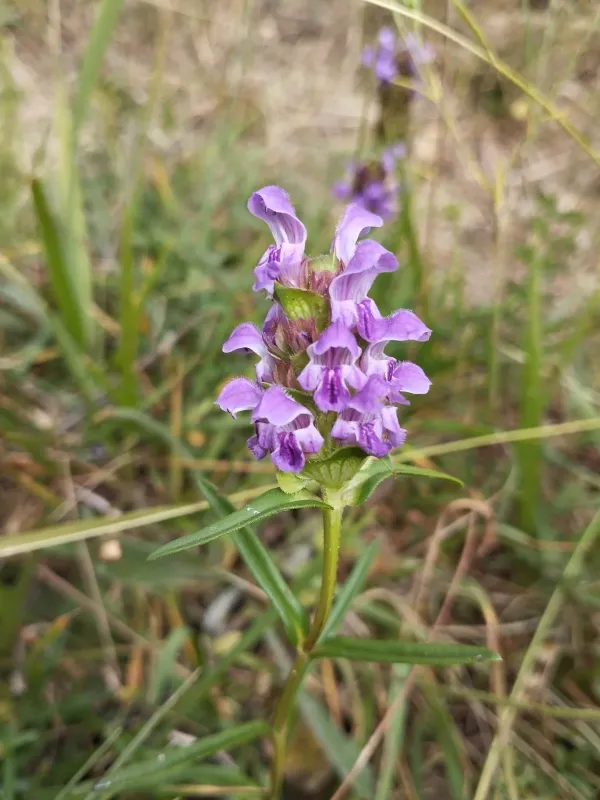
Hyssop-leaved selfheal (Prunella hyssopifolia) is a perennial herbaceous plant belonging to the Lamiaceae family. It is characterized by its narrow, linear leaves that distinguish it from the common selfheal species, giving it a unique morphological profile.
The plant originates from Southern Europe and the Mediterranean basin. It has evolved to thrive in dry, rocky, and limestone-rich habitats, making it highly resistant to drought and heat, provided it is grown in full sun conditions.
Successful cultivation requires soil with excellent drainage. Prunella hyssopifolia performs poorly in heavy, clay-rich soils that retain moisture, as these conditions rapidly lead to root decay and overall plant decline during the winter months.
Regarding soil chemistry, the plant prefers neutral to slightly alkaline conditions. It is essential to ensure that the site does not have high acidity, as this inhibits the absorption of nutrients necessary for healthy biomass production.
Economically, the plant is primarily cultivated for its medicinal properties. Extracts derived from the aerial parts are valued for their antimicrobial and anti-inflammatory activity, which is common among various species of the Prunella genus.
Main diseases and pests
Fungal pathogens represent the primary threat to this crop. Powdery mildew is particularly problematic in humid climates, as it quickly spreads across the foliage and diminishes the yield quality of the medicinal herb.
Root rot is a critical concern for farmers using irrigation systems improperly. Without adequate soil aeration, the rhizosphere becomes hypoxic, allowing various soil-borne pathogens to attack the plant's delicate root system.
Insect pests such as aphids and spider mites can infest the crop during hot, dry spells. These pests suck the sap from the stems and leaves, causing stunted growth and reducing the concentration of active compounds in the plant tissues.
Gastropods, including snails and slugs, are a threat to young seedlings. They can consume large portions of leaf tissue overnight, necessitating protective measures such as physical barriers or biological control agents in organic farming systems.
Effective management involves consistent monitoring of crop health. Farmers should prioritize spacing between plants to allow for airflow, which acts as the best natural defense against most of the common diseases affecting the Lamiaceae family.