
Isodon trichocarpus
Isodon trichocarpus
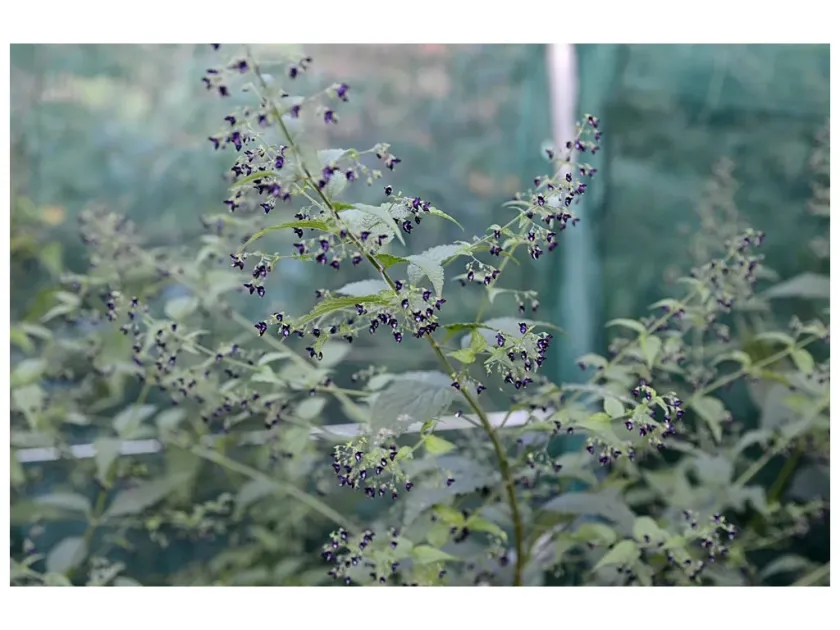
Description
Growing requirements
Isodon trichocarpus is a perennial herbaceous plant belonging to the Lamiaceae family. It is gaining recognition in the pharmaceutical industry for its unique diterpenoids found in its aerial parts.
The plant originates from East Asian regions, thriving in forest edges and temperate climates. It requires nutrient-rich, well-drained soil with a slightly acidic to neutral pH level for optimal growth.
As a shade-tolerant species, it performs best in locations protected from intense afternoon sunlight, which helps prevent dehydration and leaf scorch during the peak of summer.
Watering management is essential; the soil must remain consistently moist but never waterlogged to avoid root rot, which is a common physiological disorder for this species.
Agricultural success depends on maintaining a cool, humid microclimate, often achieved through strategic planting density and organic mulching to regulate soil temperature.
Main diseases and pests
Fungal diseases represent the primary threat to the crop, with powdery mildew being particularly prevalent in environments with high humidity and poor air circulation.
Pests such as aphids and spider mites can infest the foliage, requiring careful monitoring to prevent widespread damage that could reduce the biomass yield.
Integrated pest management, focusing on biological controls rather than harsh chemicals, is recommended to preserve the purity of the harvested raw medicinal material.
Crop rotation and field sanitation are critical practices to reduce the pressure of soil-borne pathogens that thrive in the specific environment preferred by Isodon.
Prompt identification of symptoms, such as leaf discoloration or wilting, allows for immediate intervention and ensures the health of the entire crop population.