
Isodon umbrosus
Isodon umbrosus
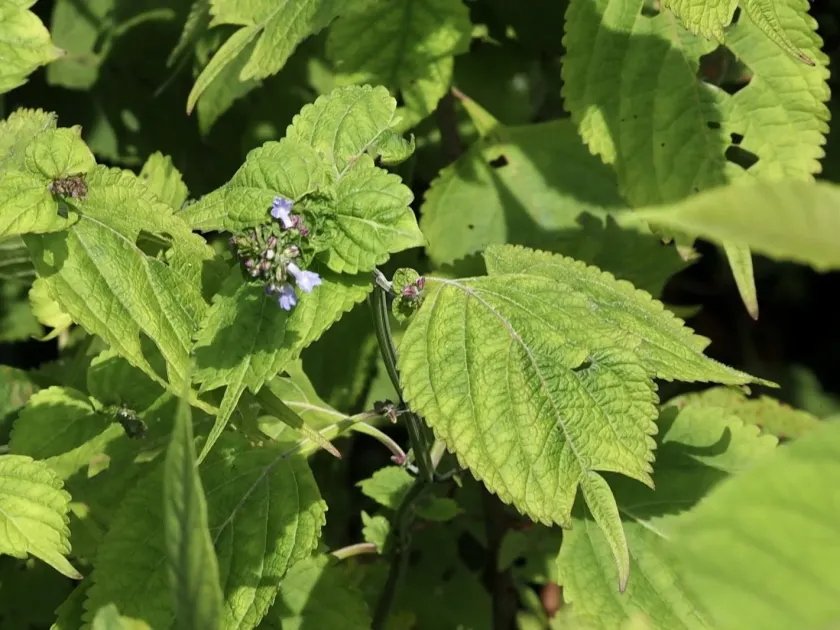
Description
Growing requirements
Isodon umbrosus is a perennial herbaceous plant belonging to the Lamiaceae family. Native to the forest regions of East Asia, it has adapted to life in shaded and semi-shaded environments, which is a fundamental aspect of its successful cultivation.
The plant thrives in nutrient-rich, well-draining soils that are high in organic matter. Achieving the right soil texture is essential to ensure that moisture is retained without causing waterlogging, which the root system is highly sensitive to.
Climatic preferences for Isodon umbrosus include protection from direct sunlight and harsh, drying winds. It is ideally suited for temperate regions where summer temperatures do not become excessively high and humidity remains stable.
In terms of agronomic practice, regular moisture management is critical. During dry spells, supplemental watering is necessary to support biomass production, as the plant lacks drought-tolerance mechanisms common to sun-loving species.
The economic value of this crop is primarily focused on its phytochemical profile. Specifically, it contains various diterpenoids that are being researched for their therapeutic properties in the pharmaceutical and nutraceutical sectors.
Main diseases and pests
Root rot diseases are the most significant threat to Isodon umbrosus, often triggered by poor soil drainage and excessive irrigation during cool weather.
Powdery mildew can frequently infect the foliage, particularly if planting density is too high or if air circulation around the plants is inadequate.
Slugs and snails are major pests, especially during the early stages of growth when tender shoots are vulnerable to consumption.
Aphid infestations may occur throughout the growing season, potentially leading to leaf yellowing and a reduction in the overall quality of the harvested biomass.
Integrated pest management strategies are recommended, focusing on maintaining field sanitation and regular monitoring to prevent widespread disease outbreaks.